



At the beginning of October, the Faculty of Social Studies of the University of Ostrava hosted the international Erasmus+ Blended Intensive Programme (BIP) “Sustainable Communities: Participatory Design and Neighborhood Revitalization.”
 3 min.
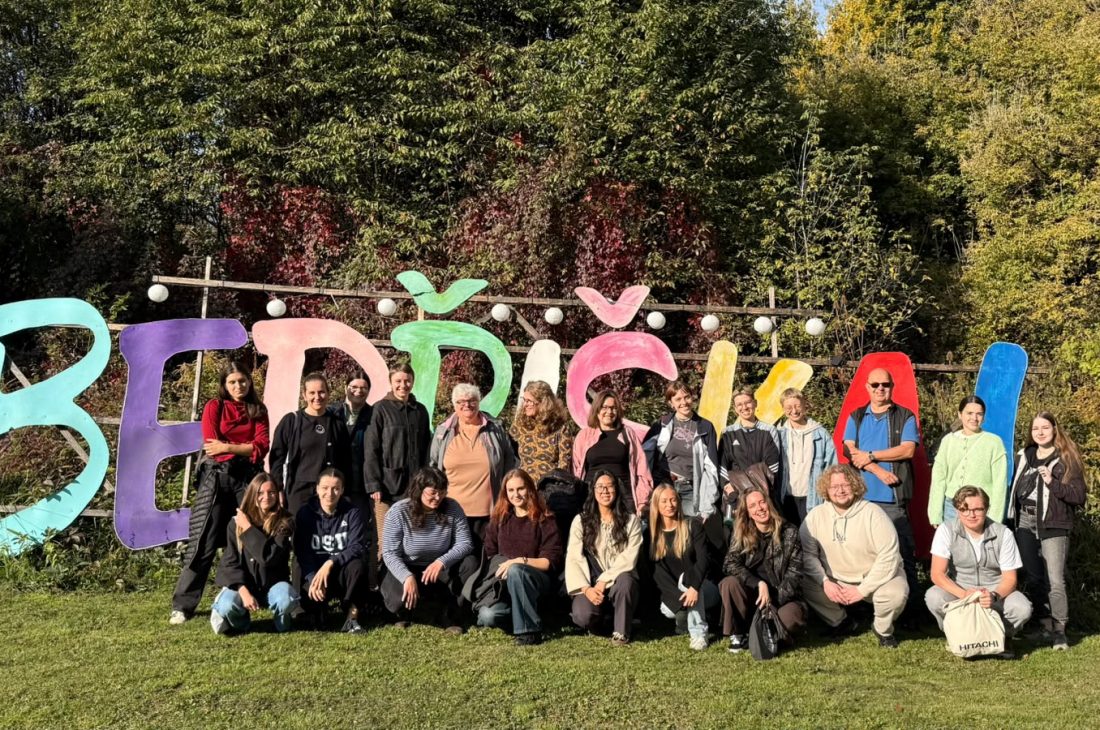
The programme focused on citizen participation, social inclusion, and sustainable urban development, bringing together students, academics, and practitioners from across Europe to explore ways of fostering active community involvement in shaping urban environments.
Alongside the University of Ostrava, the programme involved partners from Frankfurt University of Applied Sciences in Germany, University of Ljubljana in Slovenia, Catholic University of Applied Sciences Cologne in Germany, Örebro University in Sweden, and FHV – Vorarlberg University of Applied Sciences in Austria. The international composition of the group created a unique opportunity to exchange experiences in community work, participatory planning, and social inclusion across different European contexts.
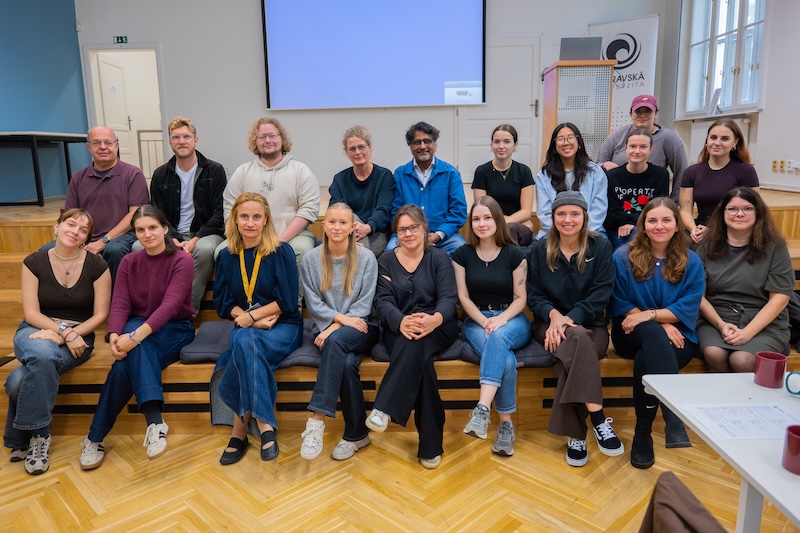
The programme combined an online and an on-site component. During the virtual phase, participants were introduced to the programme concept, shared their expectations, and attended expert lectures on urban communities, co-creation of public spaces, human rights, and participatory approaches in social work. Contributions from specialists representing partner institutions further enriched the discussions.
“The aim of the programme was to connect students from different countries and academic disciplines with the real-life environment of cities and community work. We greatly appreciate that participants had the opportunity to experience Ostrava not only from an academic perspective, but also through direct engagement with local communities and organisations. The exchange of experiences and the search for shared solutions to current social challenges represent one of the greatest values of the BIP programme,” said programme coordinator Iva Tichá.
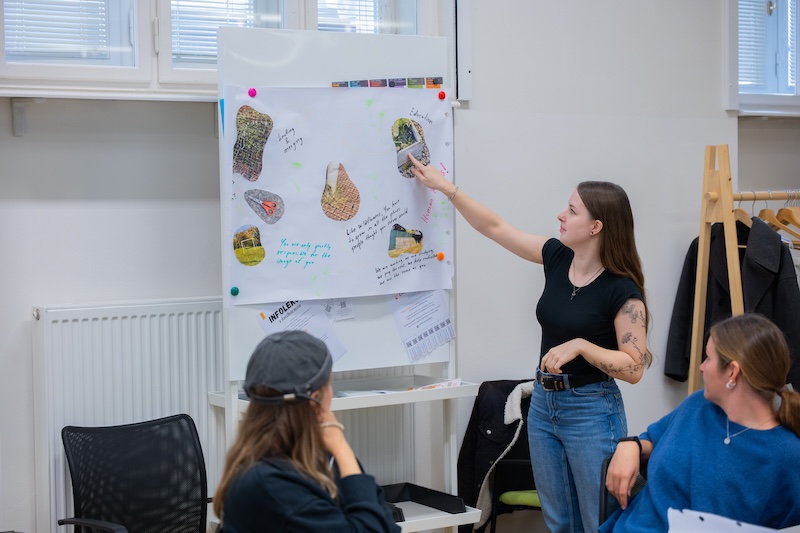
The on-site part of the programme took place in Ostrava and enabled participants to link theoretical knowledge with practical experience. Students worked with the Photovoice method, discussed the challenges of socially excluded localities, and visited the Liščina neighbourhood, where they learned about community work and the activities of a low-threshold centre for children and young people. Field-based activities focused on identifying the needs of local residents and exploring ways to encourage their active involvement in community development.
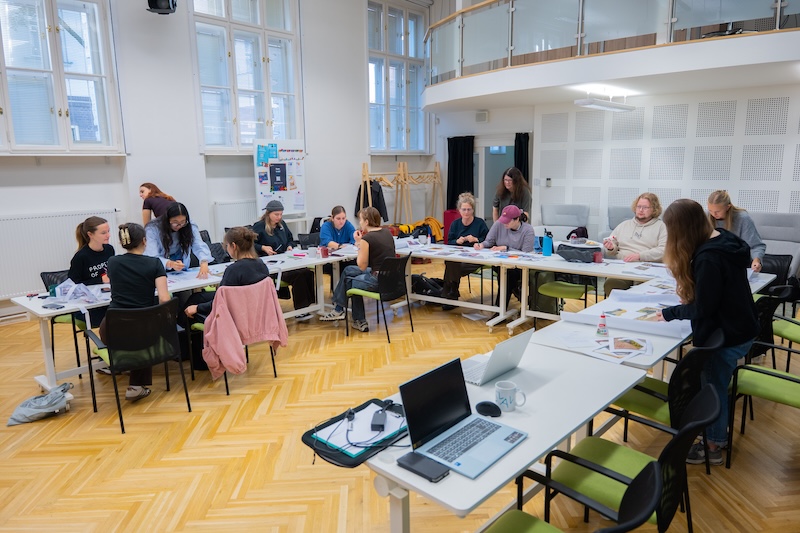
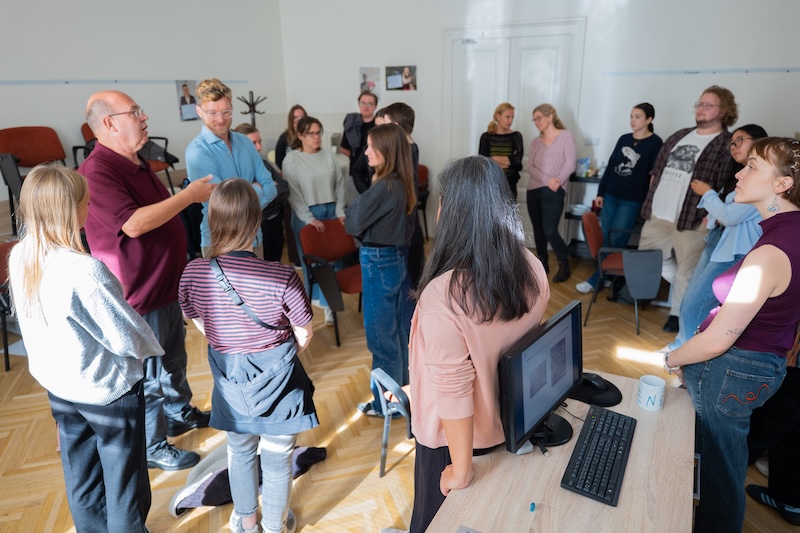
Another part of the programme was dedicated to participatory planning, cooperation with public administration, and the design of community-based initiatives. Working in international teams, participants shared experiences from their home countries and developed ideas for measures supporting social cohesion and sustainable urban development.
According to student Krystyna Šotková, international cooperation was one of the programme’s greatest benefits: “The most valuable aspect for me was the opportunity to collaborate with students from different European countries and compare their perspectives on participation and community development. Through the field activities in Ostrava, we were able to see how theoretical knowledge can be applied in practice. The programme provided me not only with new professional insights, but also with many inspiring connections.”
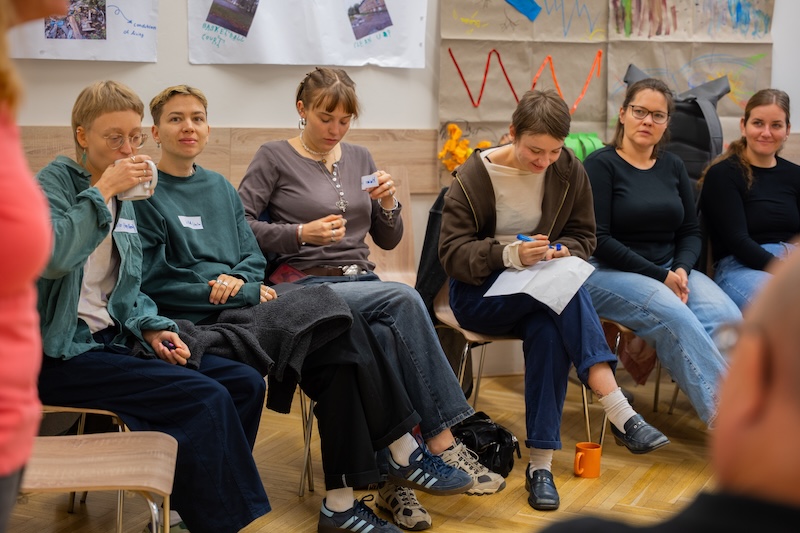
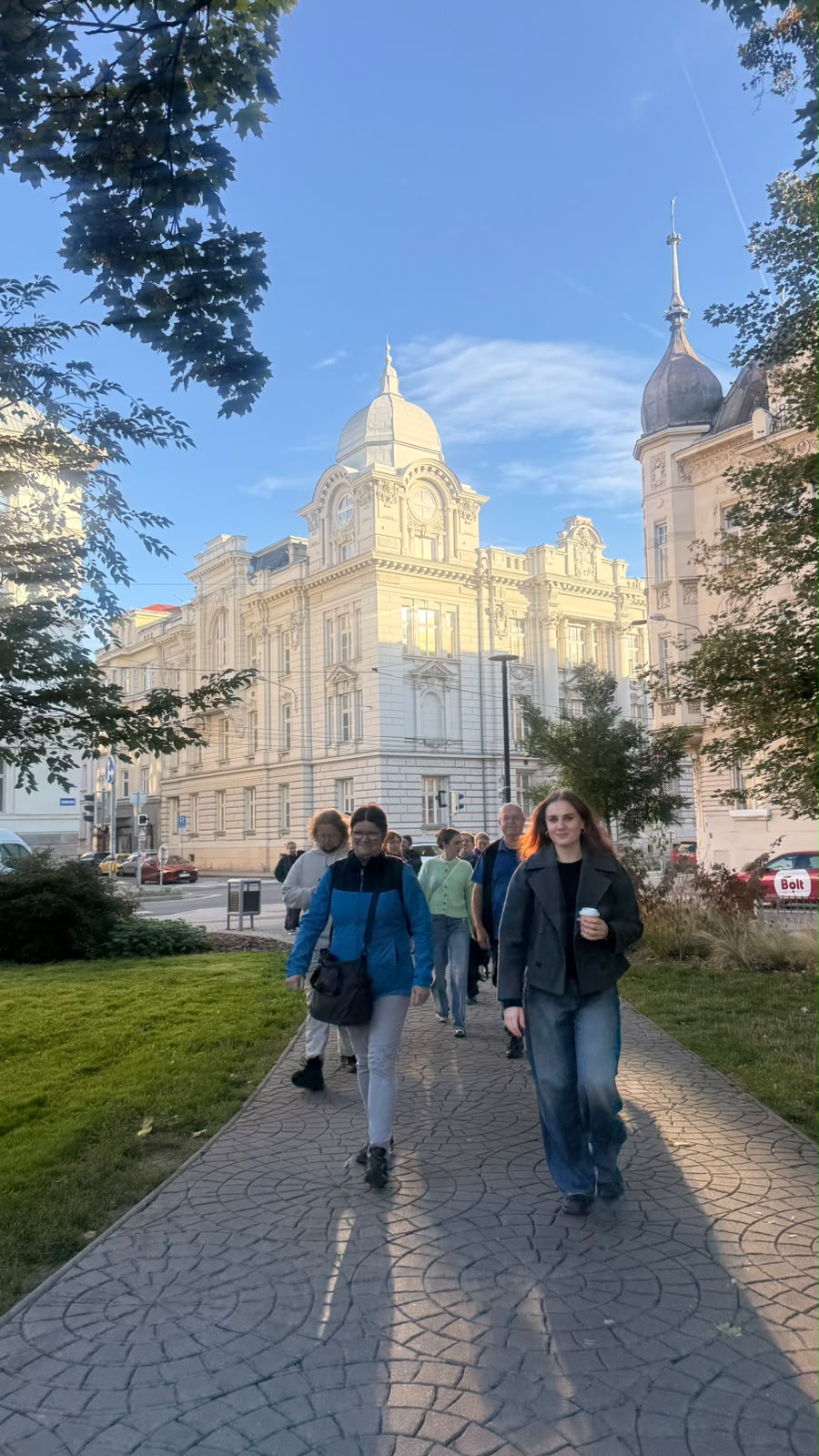
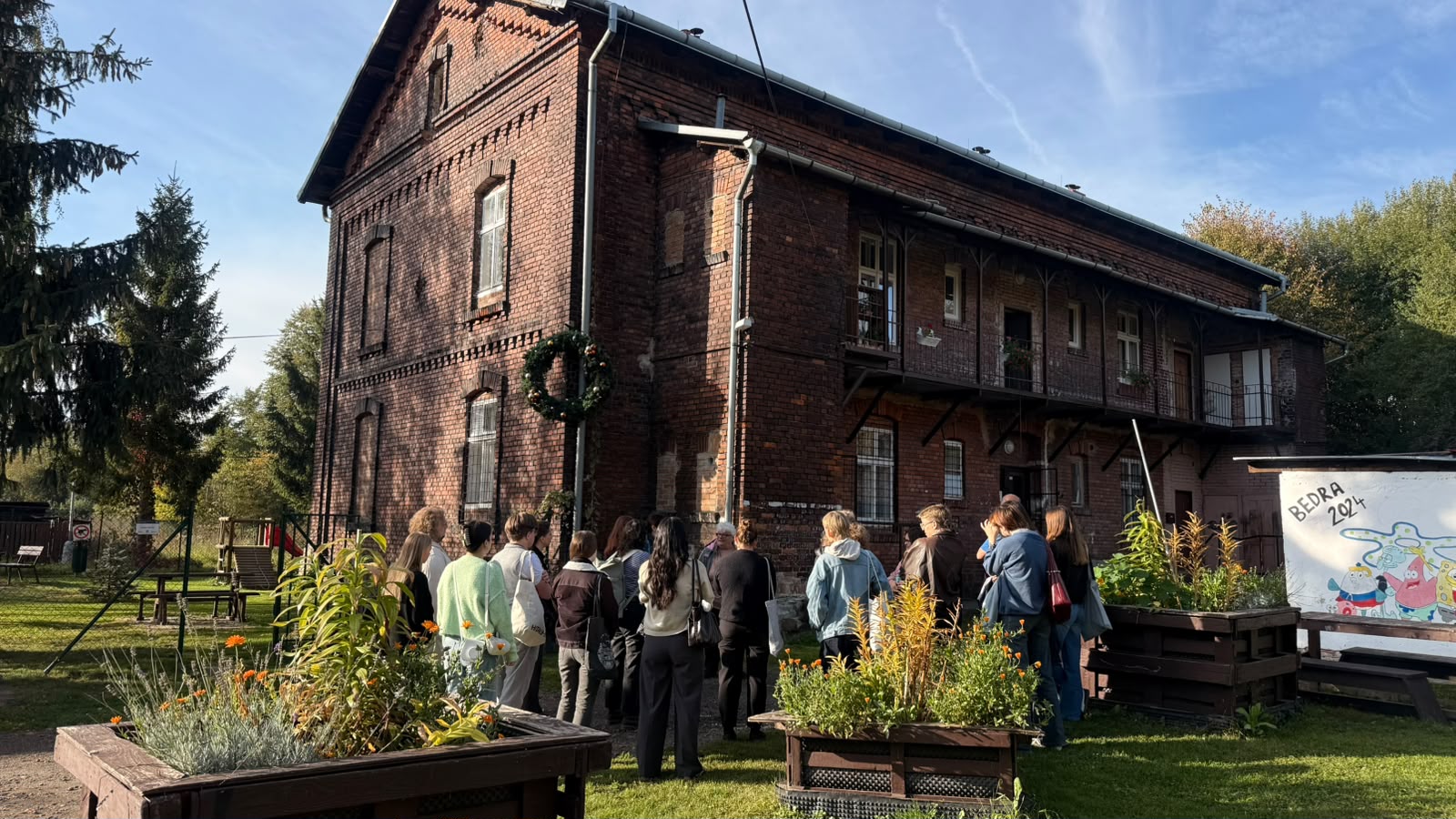
The programme also included visits to significant locations in Ostrava. Participants explored the PLATO Contemporary Art Gallery and the Bedřiška neighbourhood, a place long associated with community development and citizen participation. Discussions based on local experiences created valuable opportunities to compare situations across European countries and to identify common approaches to social and urban challenges.
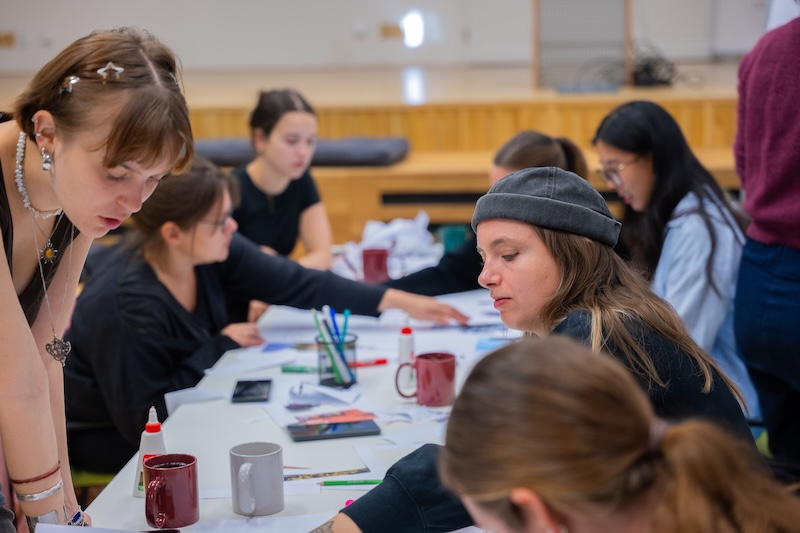
A particularly important element of the programme was direct community engagement in the Liščina neighbourhood, where students took part in urban gardening activities and helped organise leisure events for children in public spaces. Through first-hand experience, participants gained a deeper understanding of participatory approaches and the importance of cooperation between residents, non-profit organisations, local government, and academia.
The significance of the programme was also highlighted by Kumar Vishwanathan, who was actively involved in its implementation: “The cities of the future need active citizens who have opportunities to participate in decisions affecting their surroundings. This BIP programme demonstrated that participation, social inclusion, and international cooperation can create space for meaningful change. I particularly value the openness of the students to discuss complex issues and seek shared solutions across cultural and national boundaries.”
The week-long programme concluded with a joint reflection session, experience sharing, and an overall evaluation. Participants especially appreciated the international collaboration, the practical orientation of the programme, and the opportunity to gain insights into social and community work in Ostrava from multiple perspectives. Once again, the BIP programme confirmed its value as a tool for developing international competencies among students and academics while strengthening cooperation between European higher education institutions.

This activity was funded by the European Union through the Erasmus+ Programme.

