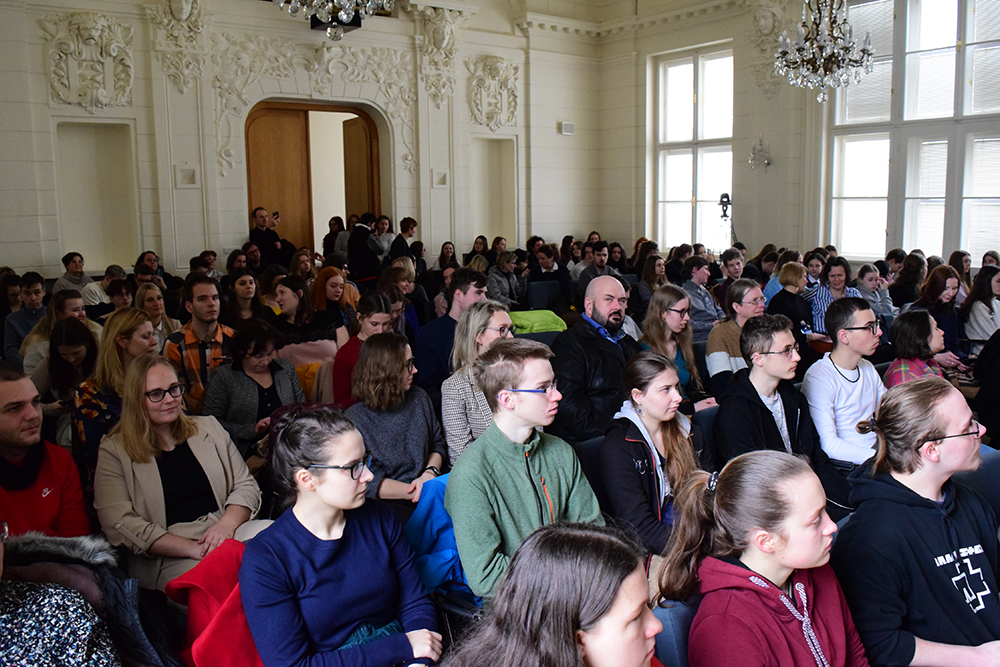



The Faculty of Social Studies, University of Ostrava hosted the 19th International Spring School of Social Work. Students and experts from Europe and around the world came to Ostrava to share research, discuss current challenges in the field, and establish new collaborations.
 2 min.
At the end of April, Ostrava became the venue for one of the most important academic events in the field of social work. The Faculty of Social Studies and the European Research Institute for Social Work (ERIS) organized the 19th annual International Spring School of Social Work for students in Master’s and doctoral degree programmes. The three-day agenda facilitated sharing research, critical discussion, and international partnership development.
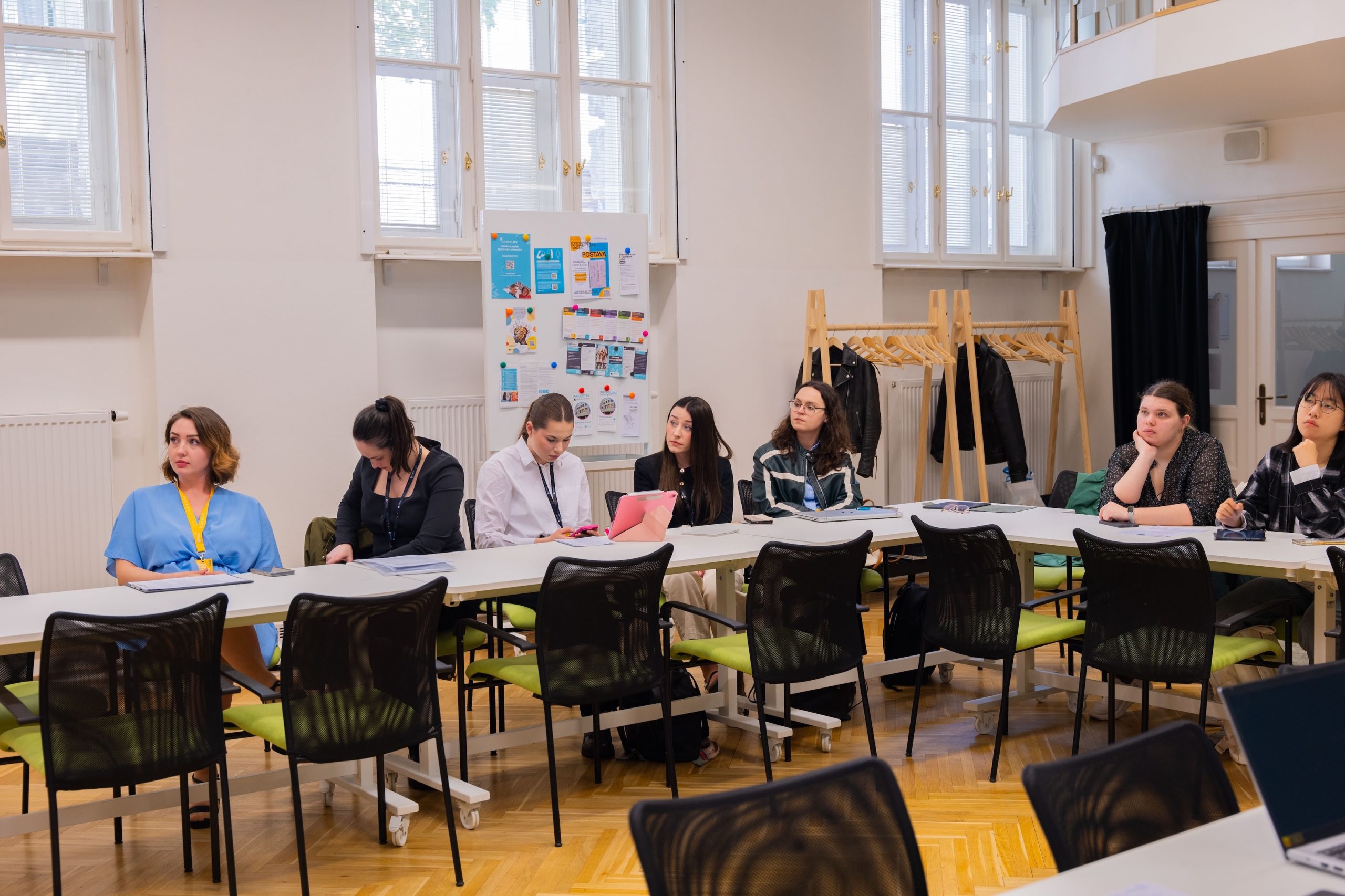
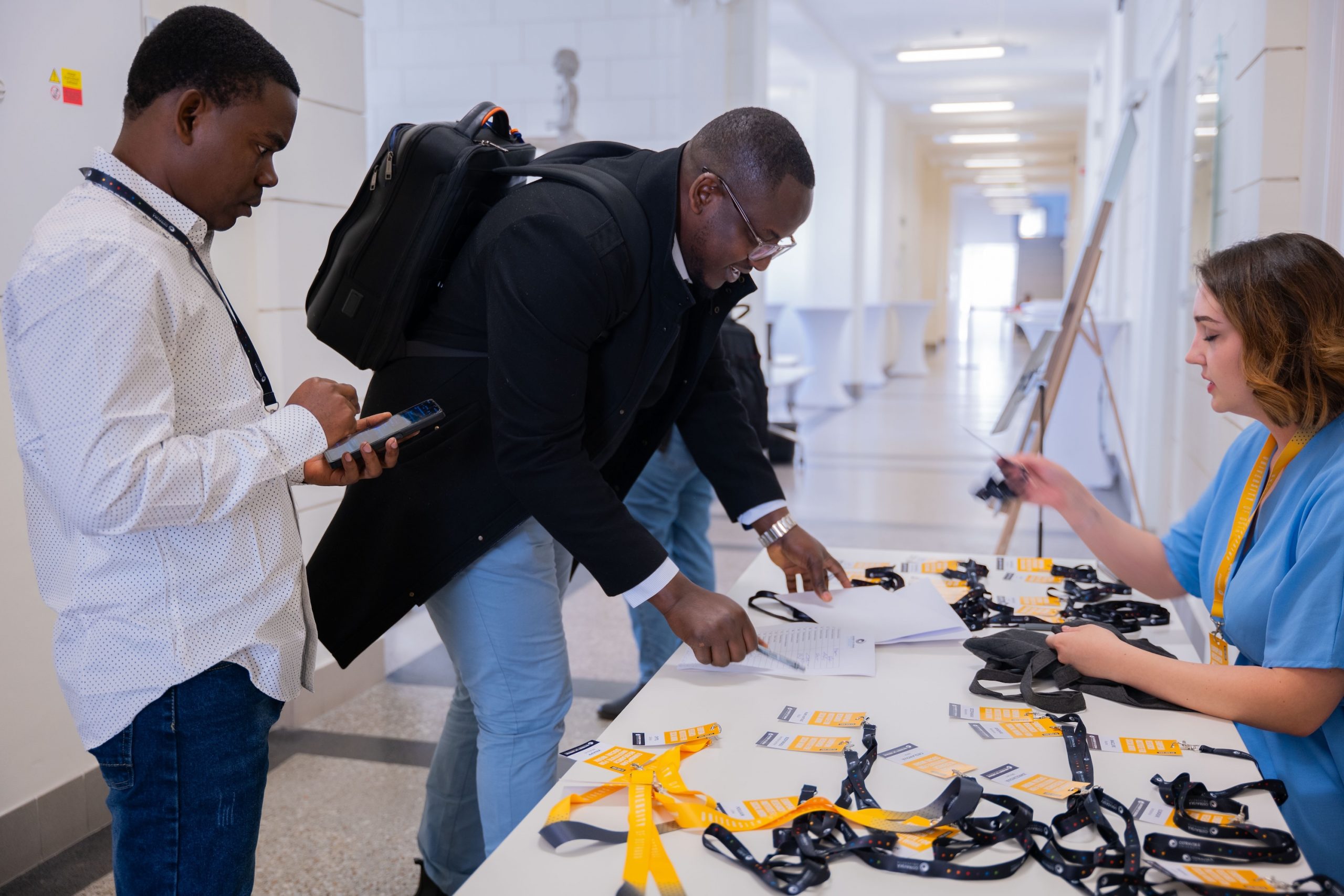
This year’s agenda focused on current challenges facing modern social work. Participants from European universities in France, United Kingdom, Germany, Austria, Poland, and Slovakia, as well as from India, presented their research across 12 thematic sections. Almost 80 students and academics attended the spring school.
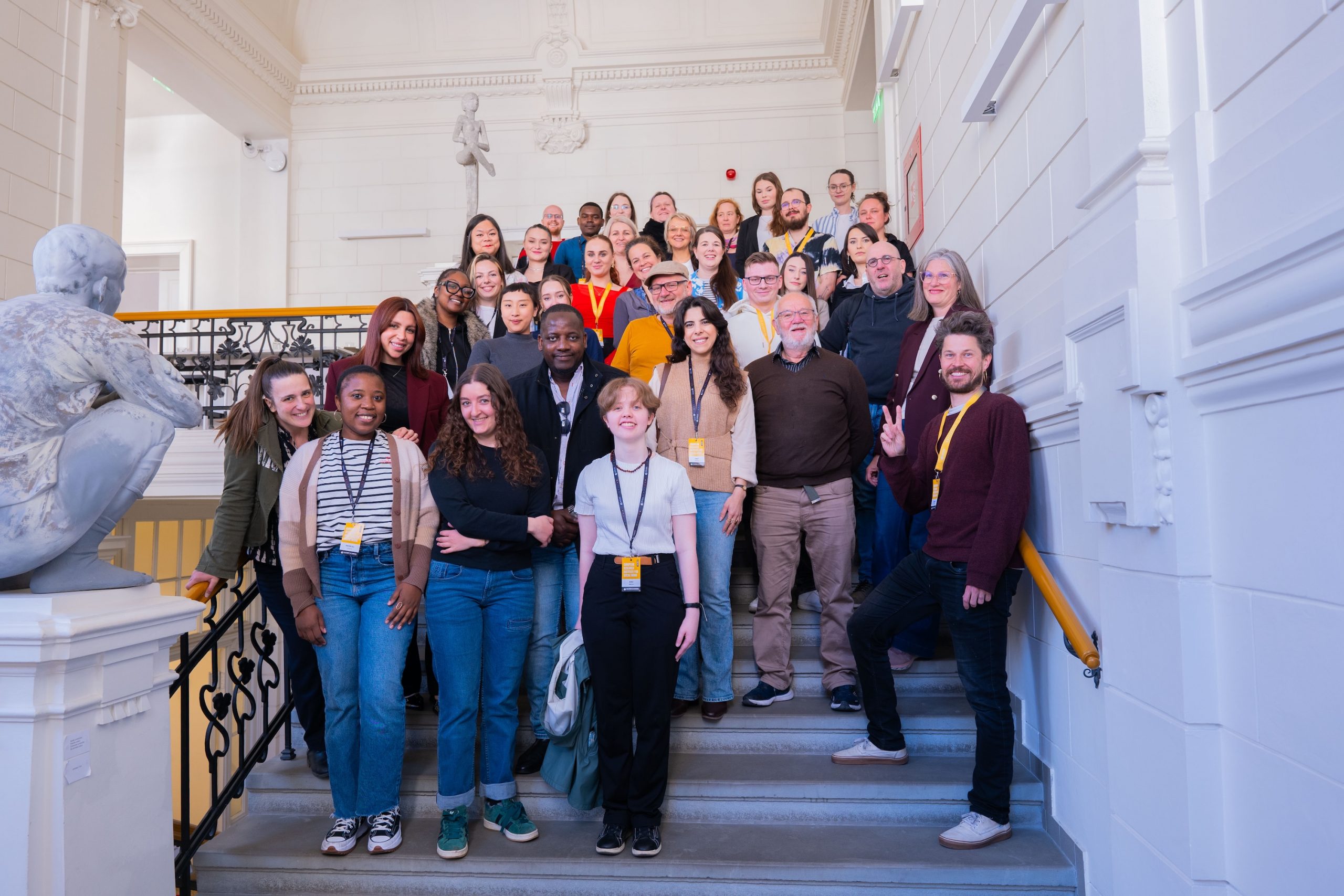
Discussions covered a broad spectrum of topics: from the impact of digital transformation and artificial intelligence on decision-making processes in child protection, through the inclusion of people with disabilities, to the specific needs of Ukrainian refugees in the European context.
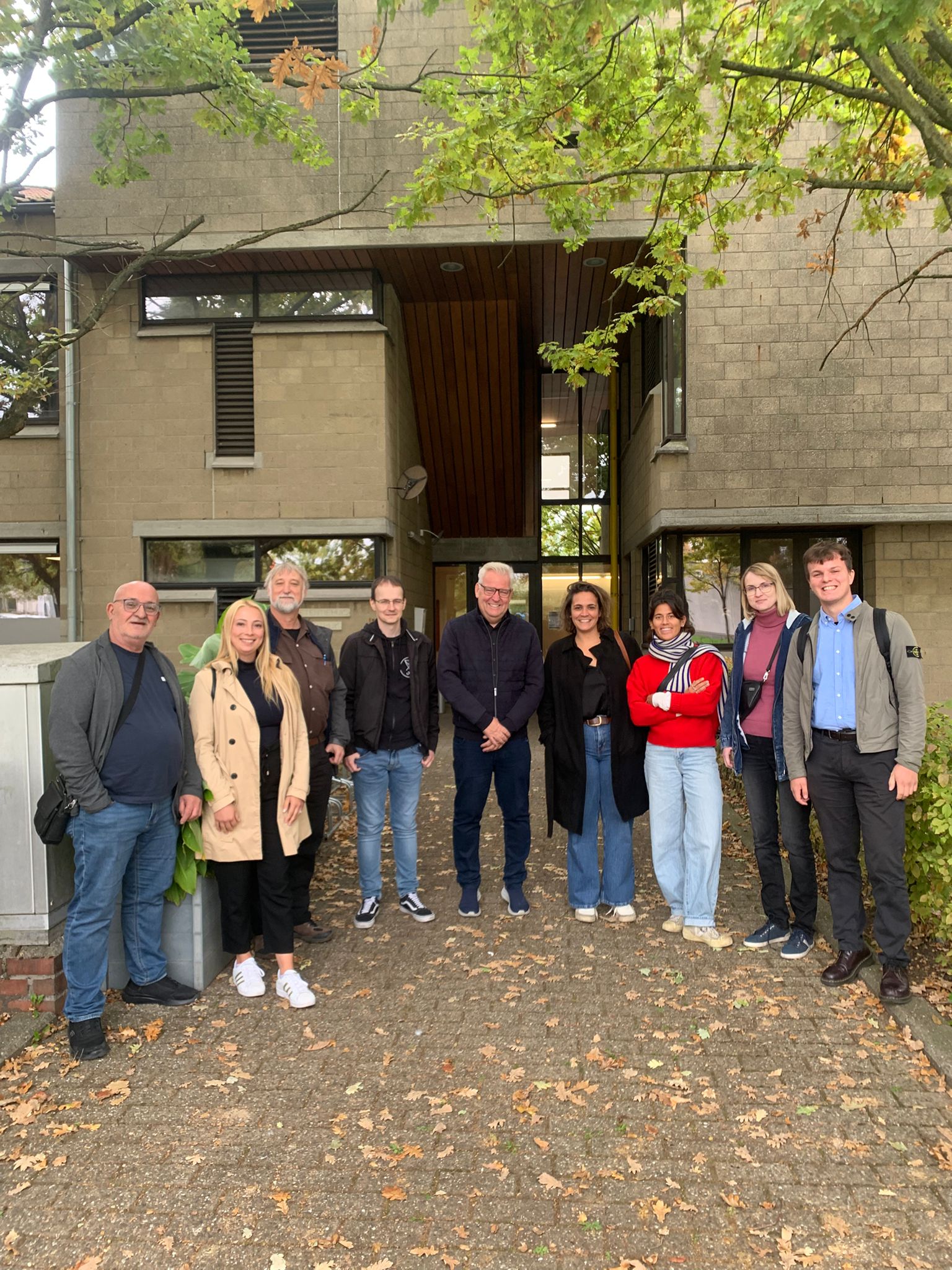
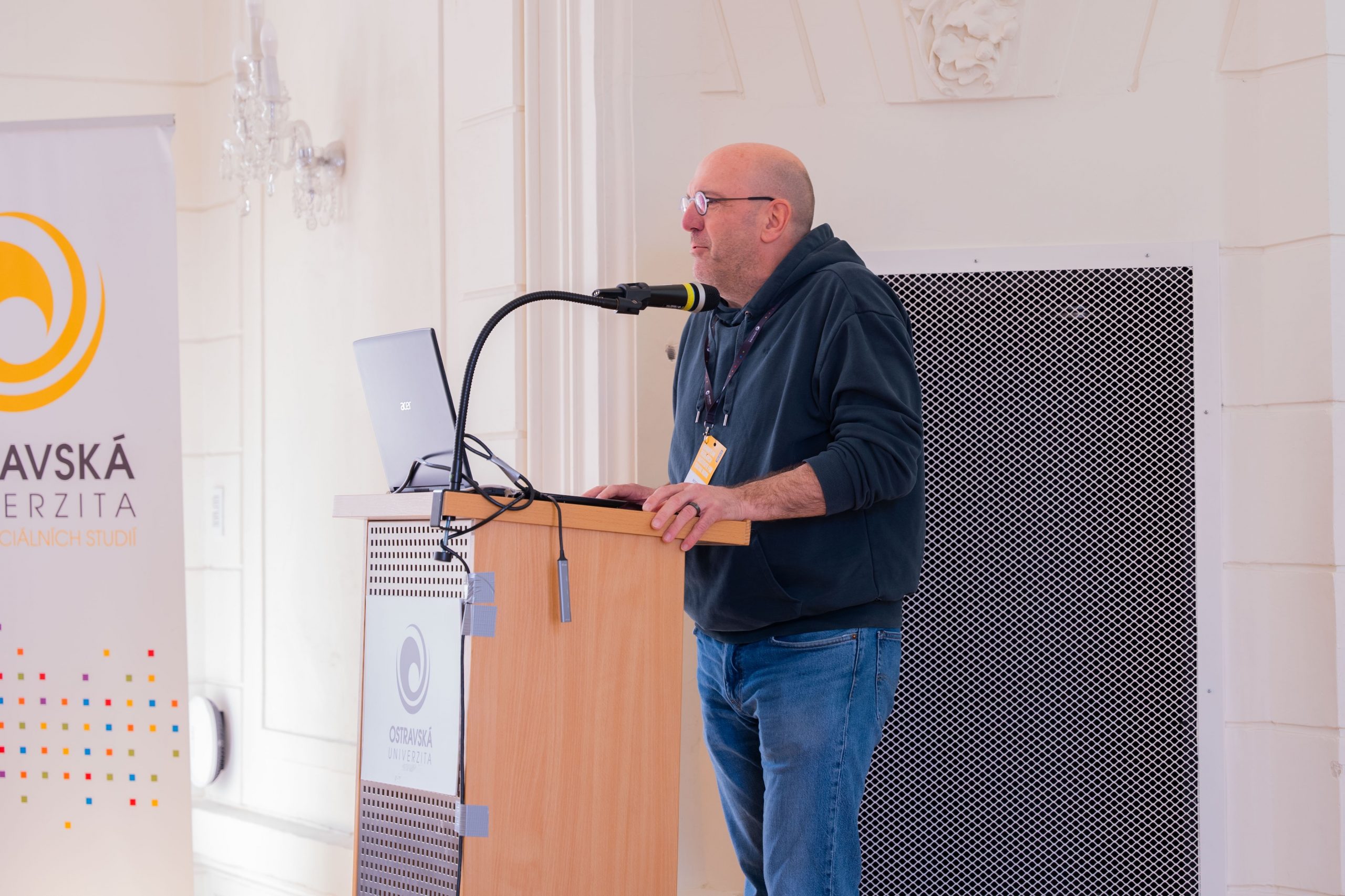
In addition to student presentations, the Spring School also featured lectures given by leading European experts. Professor Eberhard Raithelhuber from Austria opened the conference with a reflection on the challenges of engaged research, while Professor Rudi Roose from Belgium focused his keynote lecture on the political nature of research in social work. Young researchers could also opt for a practical workshop offering tips on how to successfully publish in international academic journals.
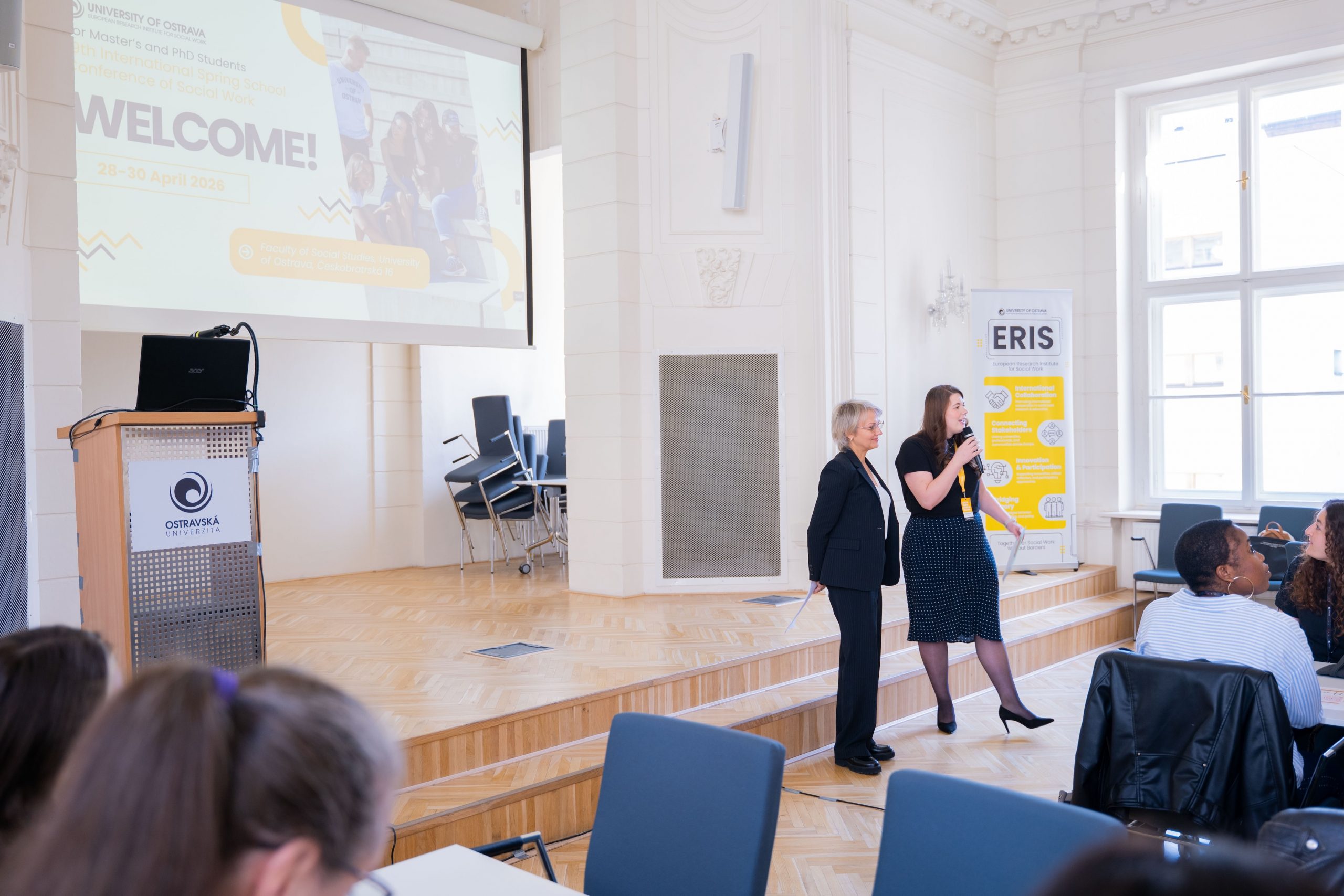
The Spring School was not just about science. “We live in a time when the field of social work is facing growing pressures and uncertainties, which is precisely why I consider it extremely important to build and strengthen bonds among us — across countries, experiences, and generations. We’re proud to be able to create this environment of open dialogue here in Ostrava,” said ERIS Director Zuzana Stanková and Spring School Director Anita Gulczyńska at the opening.
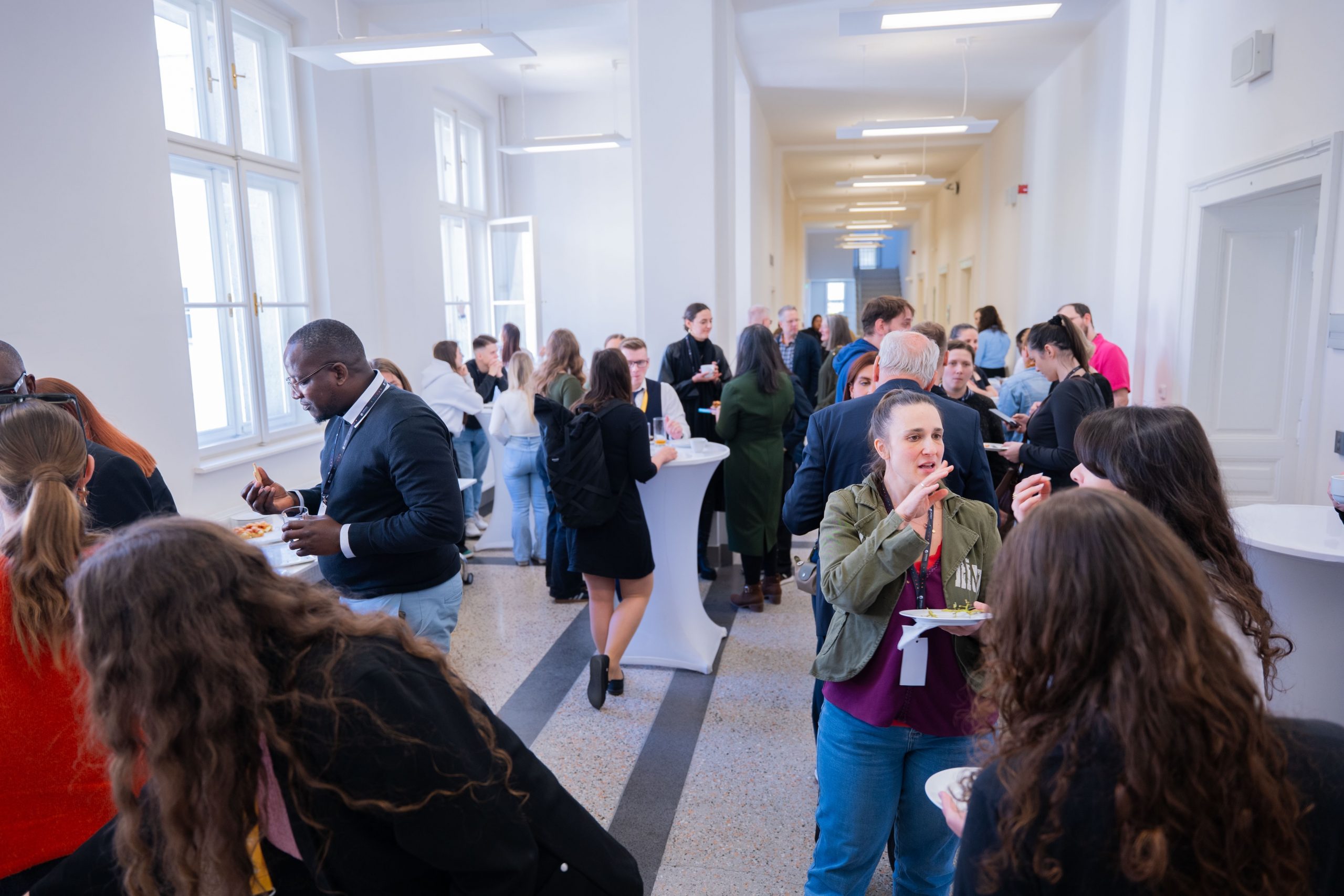
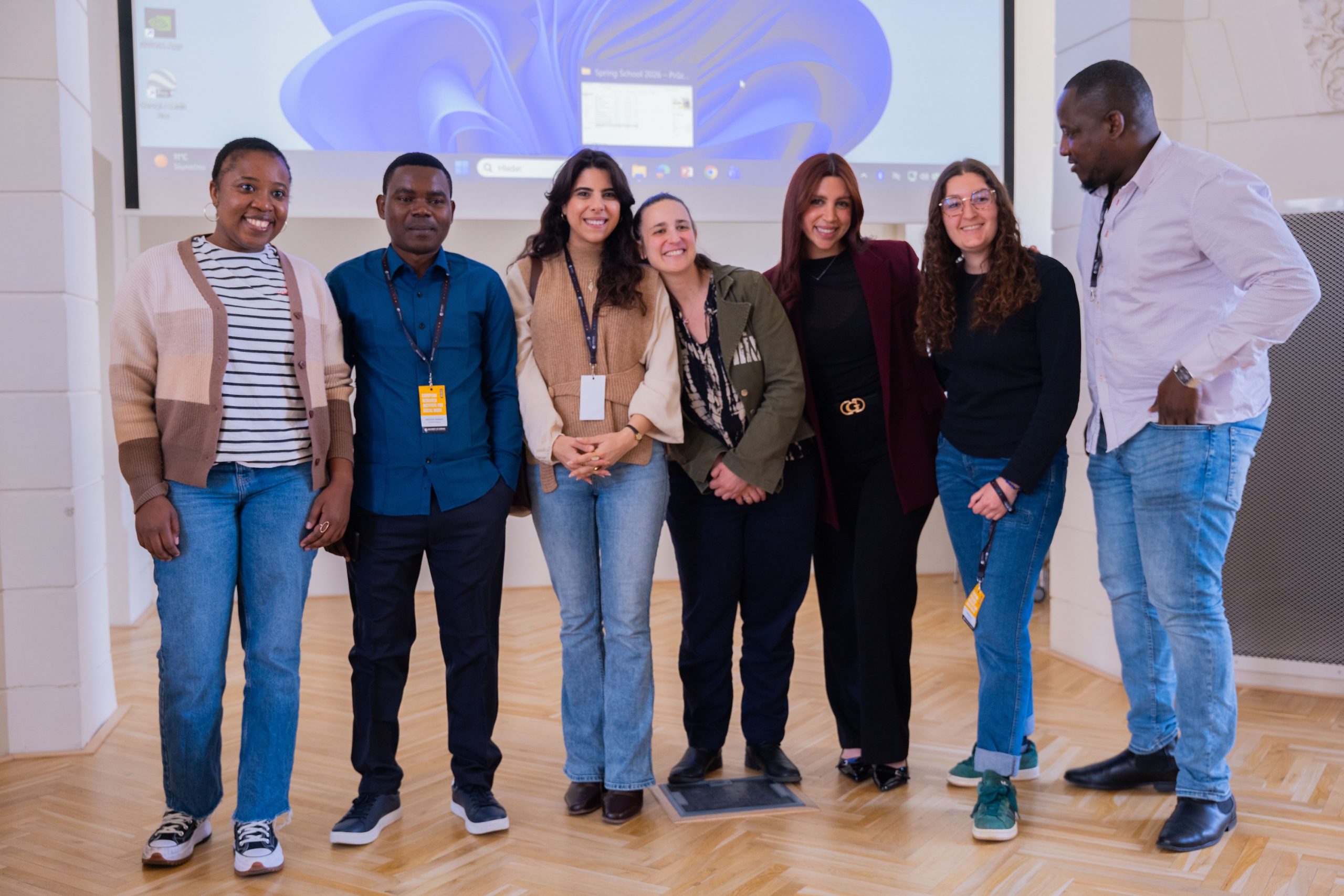
The conference atmosphere was further enhanced by the accompanying programme, including a guided tour of Ostrava in English and informal student evenings, where ideas for future joint projects came together.
The 19th edition confirmed that Spring School is not just a conference, but a vibrant community. Students and young researchers left Ostrava with valuable feedback from international experts and new motivation for future research.