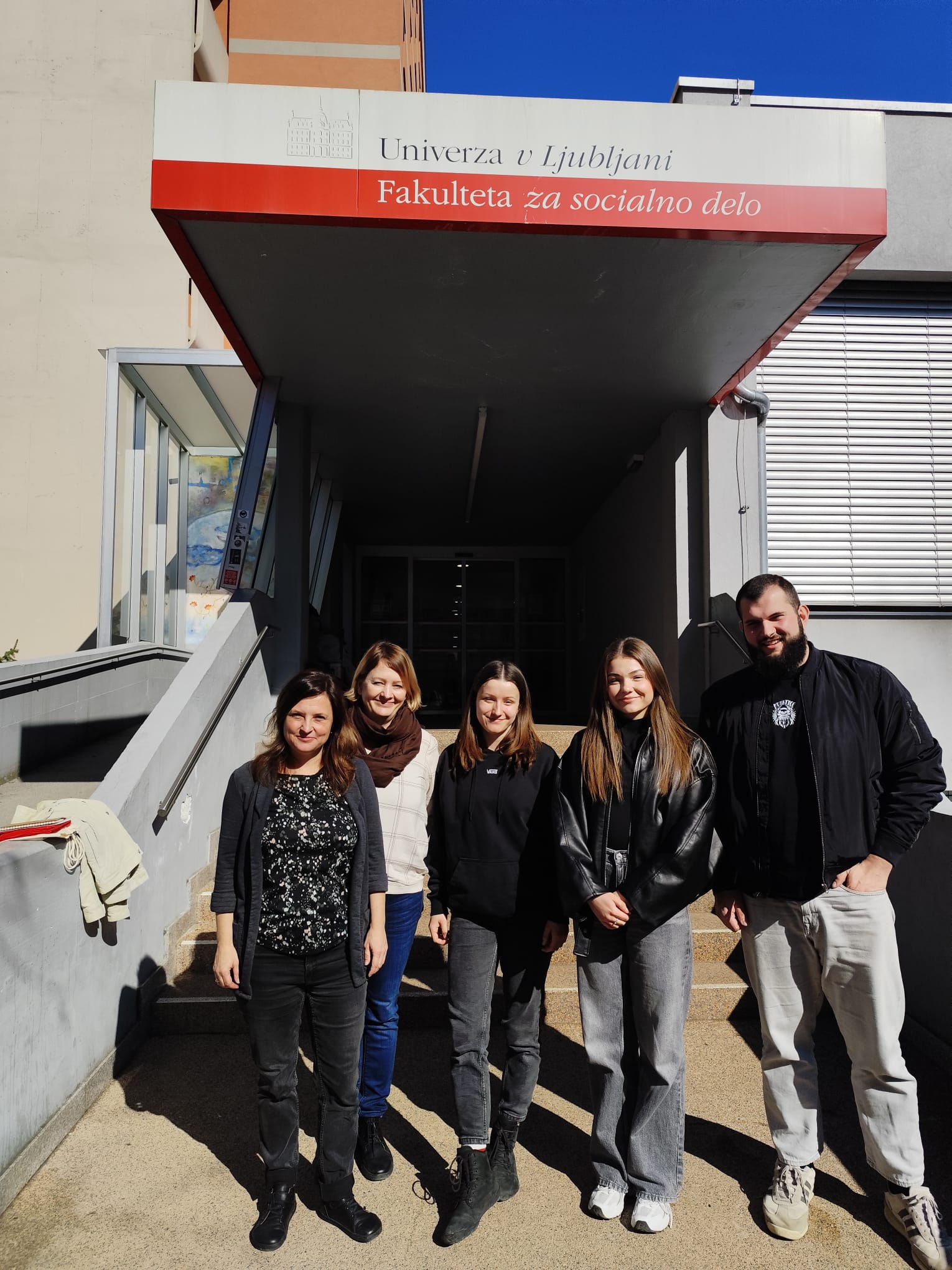



Teachers and students from the Faculty of Social Studies, University of Ostrava participated in a Blended Intensive Programme (BIP) within the Erasmus+ programme. They visited the University of Ljubljana to focus on mindfulness in social work.
 3 min.
Faculty lecturers and students had the opportunity to participate in the Blended Intensive Programme (BIP) as part of the Erasmus+ programme at the Faculty of Social Work, University of Ljubljana February 23-27. The programme, titled “Mindfulness in social work: from Autopilot to Conscious Action”, brought together students and academics from several European countries, including Finland, Netherlands, Germany, Slovenia, and Czech Republic. It created a space for experience sharing, finding inspiration, and reflecting on the professional identity of social workers.
The mindfulness topic has proven to be particularly relevant to contemporary social work. It involves intense contact with people facing difficult life situations accompanied by a high degree of mental stress. As noted in one of the introductory lectures, social workers are chronically exposed to secondary traumatization and the risk of phenomenon known as compassion fatigue, a burnout resulting from helping others. One method of prevention is therefore conscious self-care, the ability to pause, reflect on one’s own perceptions, and maintain professional and personal balance.
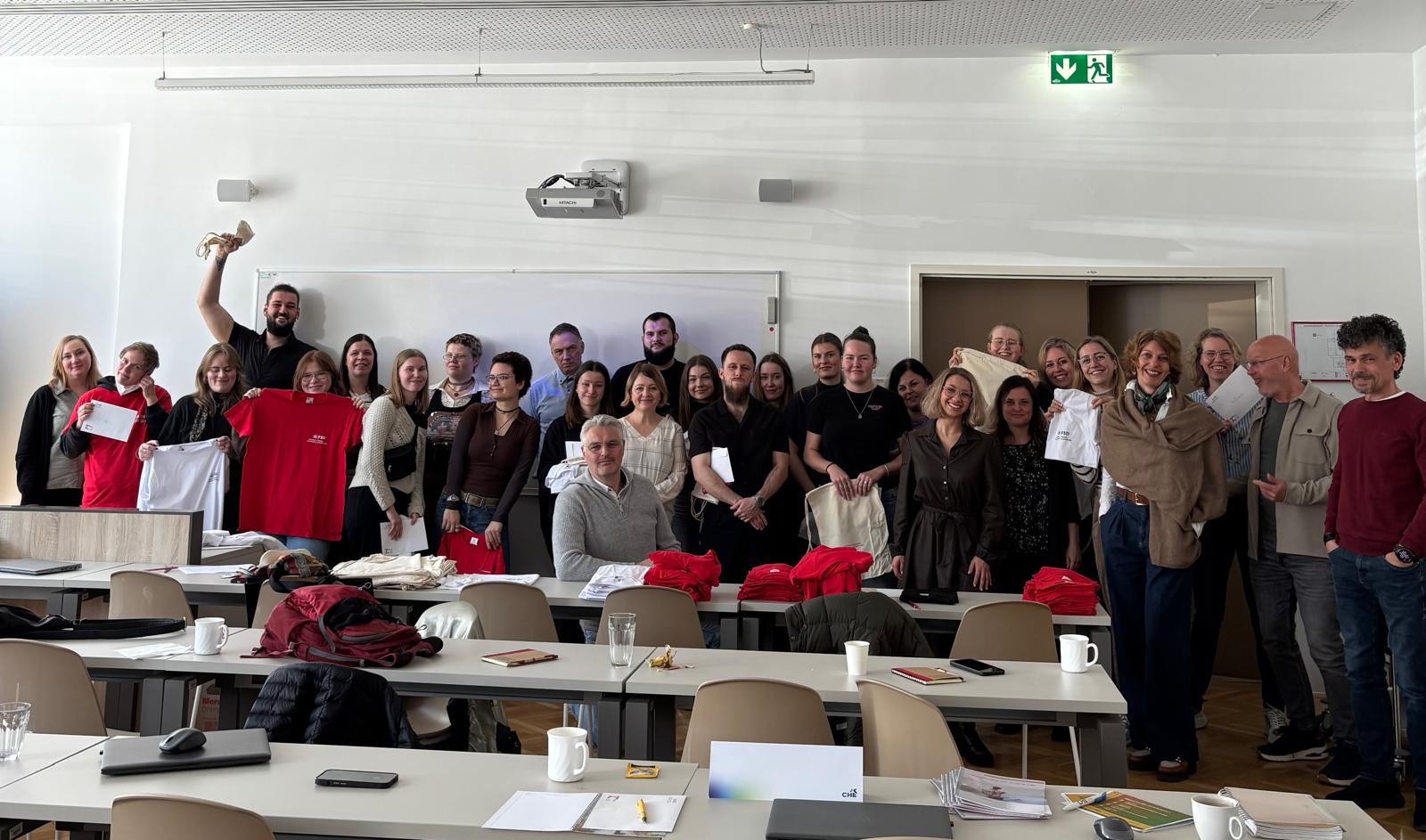
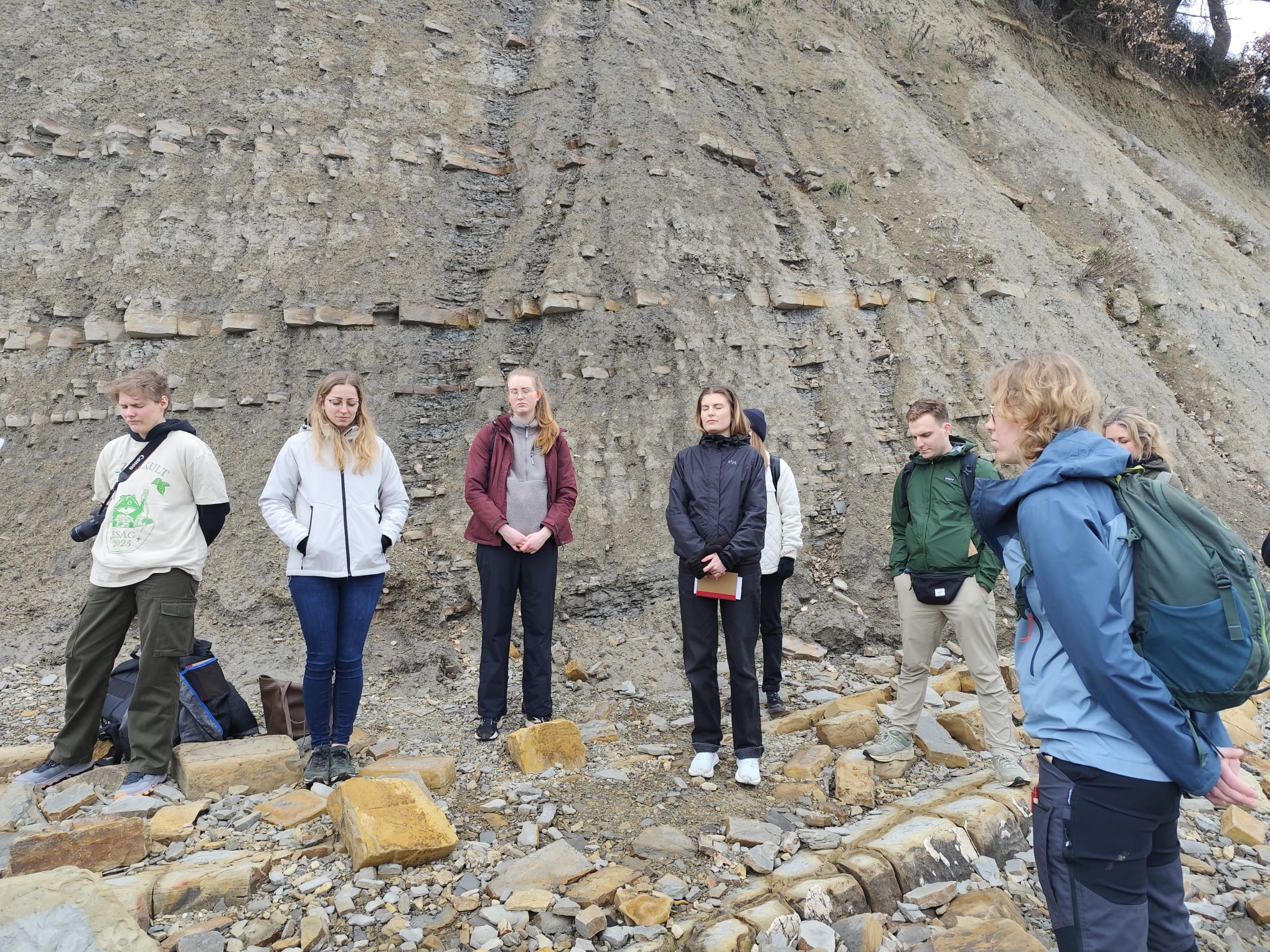
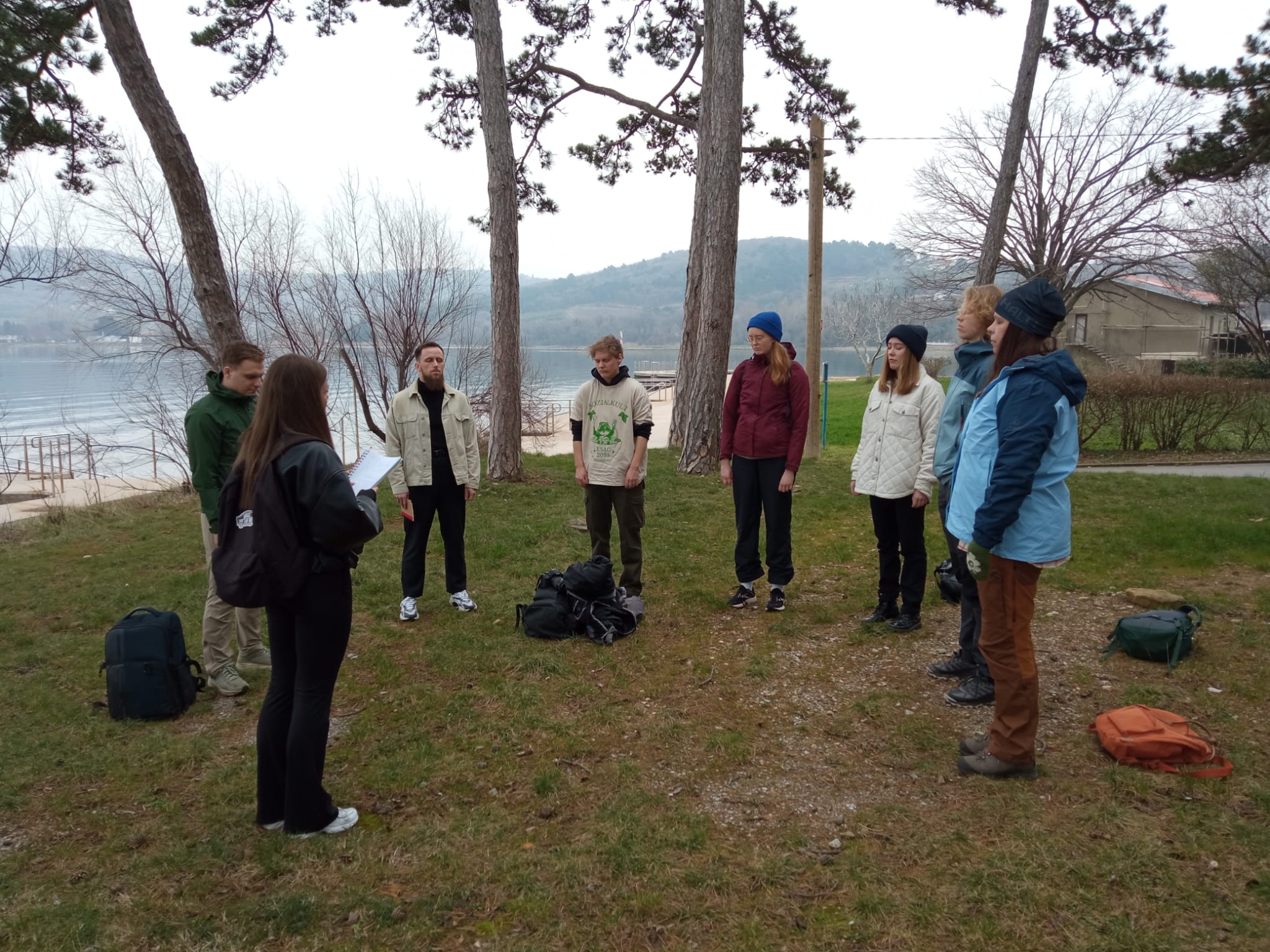
The programme was designed as a combination of expert lectures, interactive workshops, and experiential activities. Instructors from various countries presented different perspectives, ranging from the topic of alienation in today’s social work, through the principles of positive psychology, to approaches based on Acceptance and Commitment Therapy (ACT). The agenda’s practical workshops focused on bodywork, self-awareness, and the all-important development of professional resilience.
From the teachers’ perspective, it was valuable to observe how the international environment naturally fosters dialogue about the similarities and differences in social work education and practice across countries. The student dimension of the entire experience was equally important. The intensive collaborative work throughout the week created opportunities for building international connections and sharing experiences across cultures. Daniel Chmiel, student in the Department of Social Work at the Faculty of Social Studies, University of Ostrava, summed up his experience: “From both an academic and personal perspective, the stay gave me a greater awareness of mindfulness techniques and skills. I learned interesting aspects of social work in other countries, and thanks to this collaboration, I made new friends. Ljubljana and Slovenia are an ideal choice for Erasmus.”
Another participant, Miriam Zmrzlíková, shares a similar view of the experience: “I rate the entire BIP programme very highly. It’s a great concept for travelling abroad, learning how social systems work in other countries, and build new international relationships without having to go on a long-term Erasmus exchange. The focus on mindfulness is very close to my heart, and I’m definitely taking new experiences back with me to put into in practice. Ljubljana is a beautiful city, and I believe it wasn’t my last time visiting it. The city has a very peaceful and relaxed vibe, and what I enjoy most is that you can get everywhere by bike — cycling is heavily supported there, and the whole city is designed with cyclists in mind. The study there has many advantages, both through student discounts—and even free meals in some places thanks to their special student system—and due to the faculty’s overall approach.”
“I spent an entire semester in Ljubljana during my Bachelor’s programme, so this visit was very nostalgic for me. Getting free pizza with my student “boni”, chatting with Borut, the great Erasmus coordinator at the Faculty of Social Work, and riding all over the city on a shared bike that costs €3 a year. That’s exactly what I missed, and it was great to experience it all again. The BIP programme didn’t disappoint me either. The topic of mindfulness was particularly beneficial for me on a personal level, but I also took away interesting professional insights from discussions with the other participants. For me, BIP is a great opportunity to learn more about various topics, meet wonderful people, and spend a week abroad. I definitely recommend that to everyone who can take advantage of this opportunity,” Krystyna Šotková described her experiences.
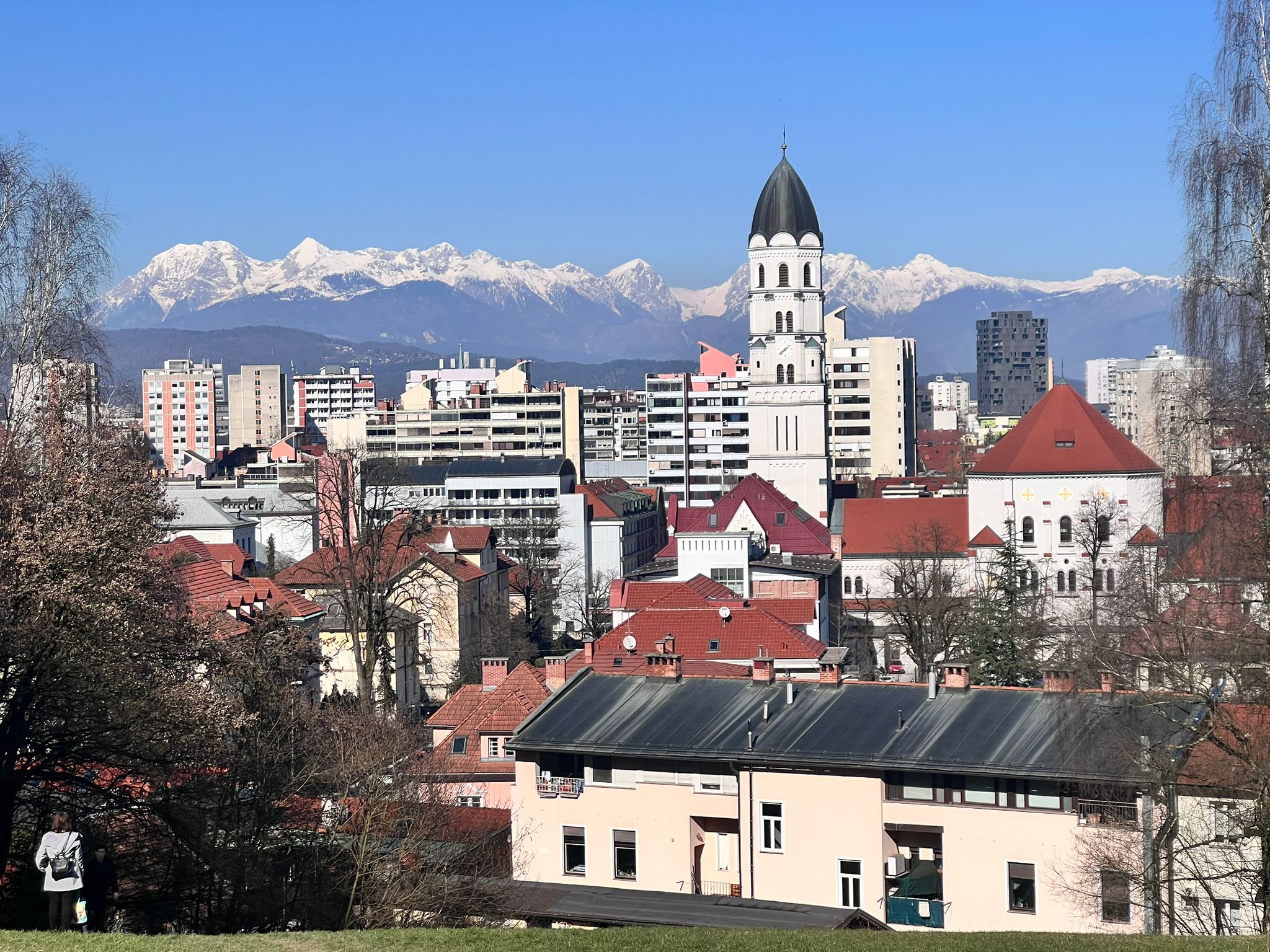
In addition to the professional programme, the Ljubljana environment itself played an important role. This green and welcoming city created an atmosphere that naturally encouraged slowing down, connecting, and sharing. From an educational perspective, this week served above all as a reminder that training social workers is not merely about passing along knowledge. It is equally important to create space for experience, reflection, and dialogue. It is international gatherings of this kind that allow both students and teachers to step outside their daily routines, view their own practice from a different perspective, and ask themselves once again what it means to be truly present in social work.