 4 min.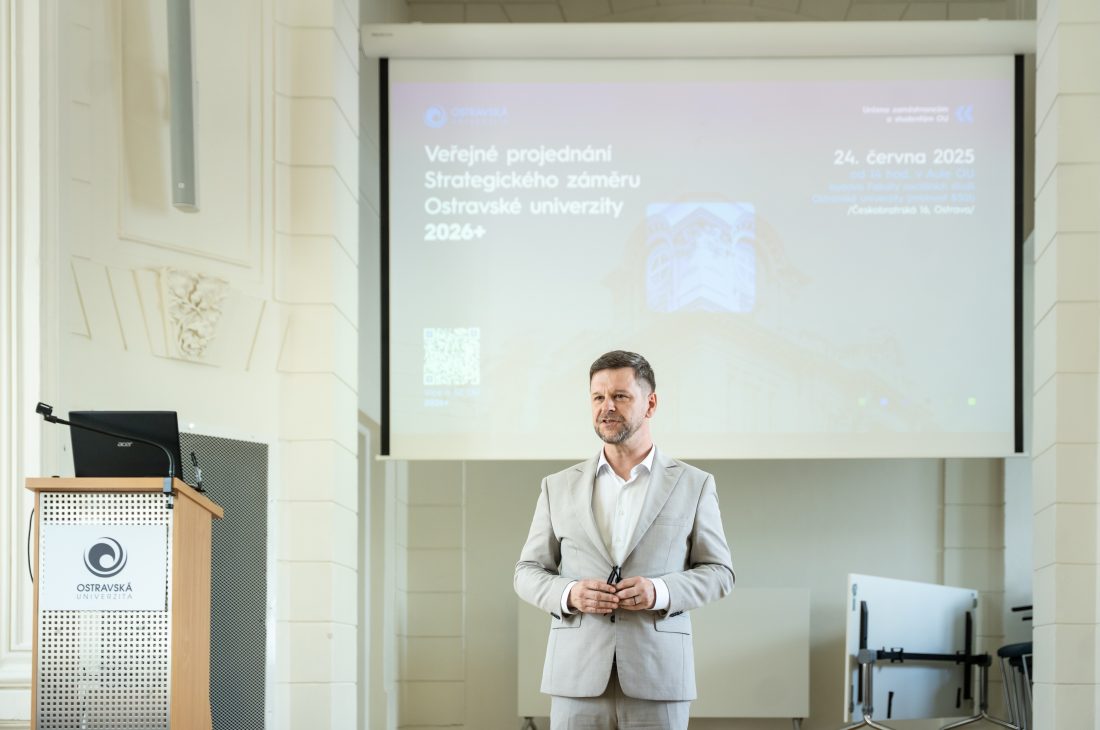
At first glance, a strategic plan may seem like a document intended mainly for university leadership. In reality, it shapes a whole range of things that staff and students deal with every day, from teaching and research conditions, through professional development, to digital services and the environment people work and study in.
UO Strategic Plan 2026+ builds on the previous period, setting out what the university wants to focus on over the next five years. It is a roadmap for the university’s next steps.
Built by the Whole University
How the document came together mattered as much as what’s in it. Preparations began back in 2024 and gradually drew in people from both inside and outside the university. Their input shaped the final version of the strategic plan. Public meetings were open to staff and students alike, and around 150 people contributed to the drafting of the document together.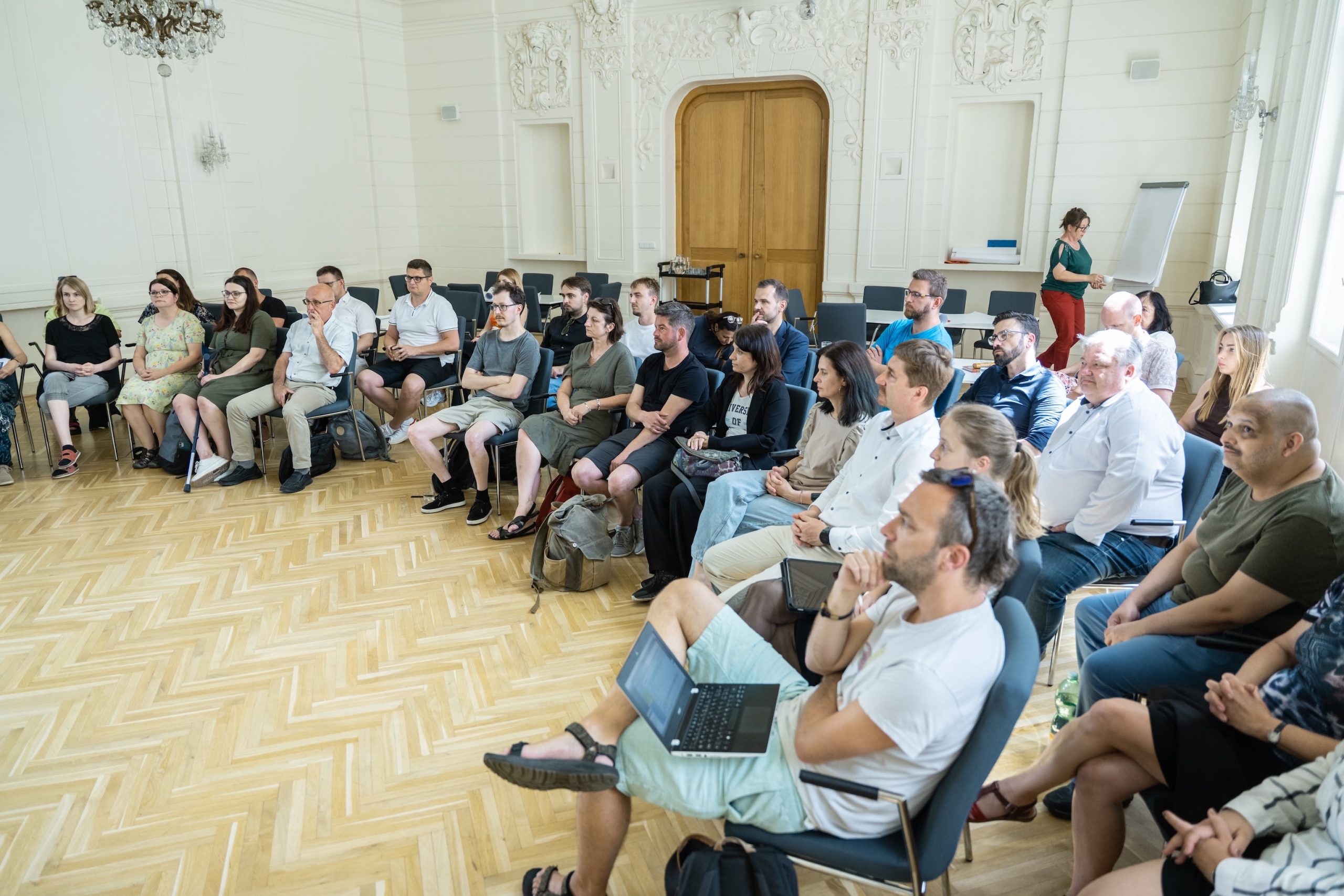
University leadership emphasised this open approach from the start. “Our goal is to create a strategic plan that is genuinely participatory,” said Rector Petr Kopecký when the preparations began.
The result: five priorities that will guide where the University of Ostrava goes next.
1. Better Teaching Starts with Supporting Students and Teachers
Education comes first. The university is not just after more attractive study programmes; it wants to keep pace with how students’ needs, and education itself, are changing.
That means more flexible formats of study, more support for students, and a sharper focus on building key competences responding to the needs of the job market.
It also means supporting the people who teach. Expect opportunities for the development of teaching competencies, mentoring for academic staff, sharing of best practices, and support in using digital tools and new teaching methods.
2. A Stronger Foundation for Research and the Arts
In recent years, UO has significantly expanded its research and artistic activities, also thanks to major projects such as LERCO, REFRESH, or DigiWELL. The new strategic plan builds on that momentum, defining areas in which the university wants to enhance the support of research and artistic work.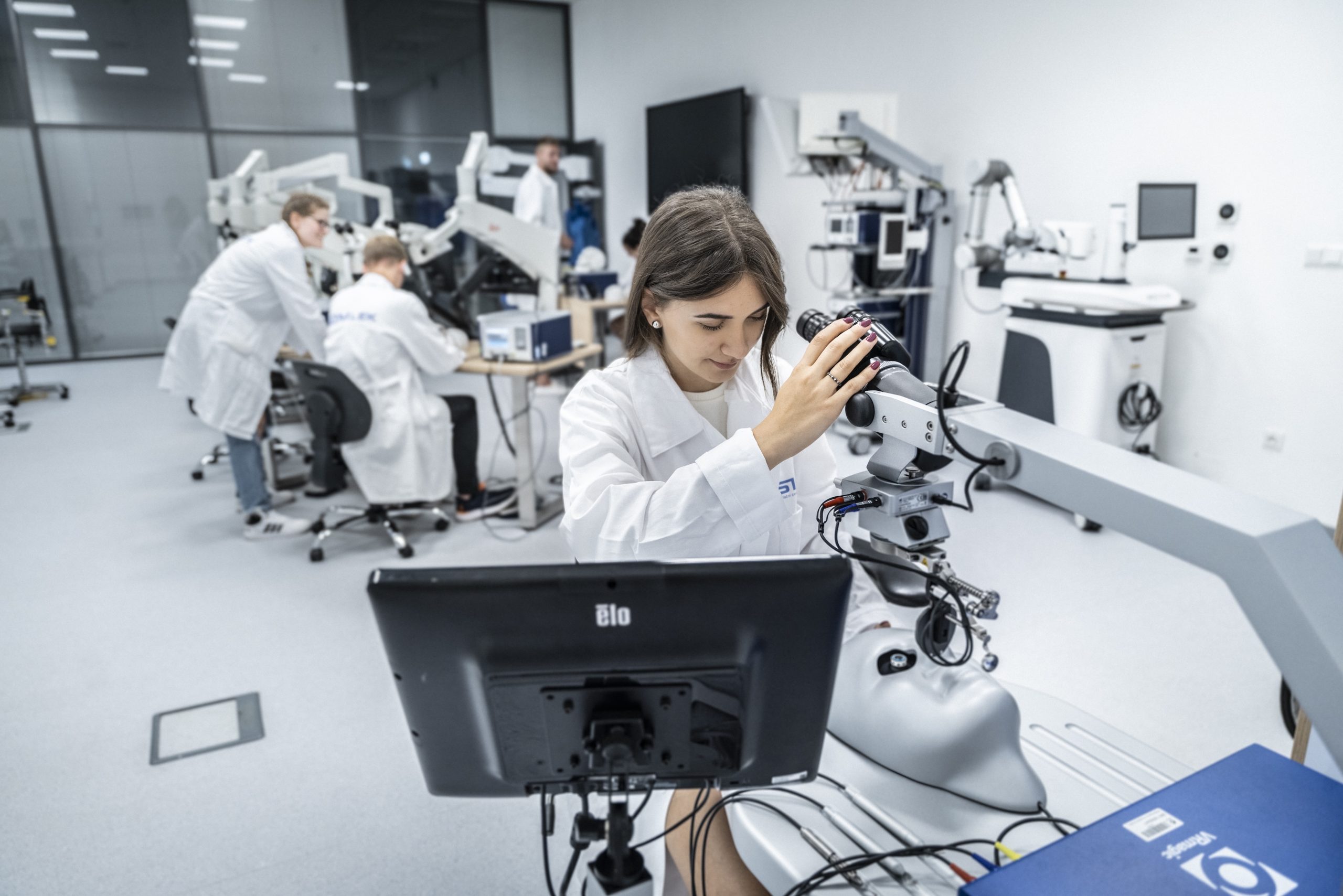
Supporting doctoral students and early-career researchers is of key importance as well as ensuring the sustainability of strong research teams and promoting open science. The strengthening of a comprehensive support of research and arts focuses also on a stronger engagement of UO teams in international projects such as Horizon Europe, the ERC and Marie Skłodowska-Curie Actions and deepening international partnerships.
The point is simple: give researchers, artists and doctoral students what they need to do good work, collaborate across fields, and be part of international research and artistic communities.
3. A Partner to the Region and Society
The university’s ties to the Moravian-Silesian Region run deep. It educates teachers, medical doctors and healthcare workers and public servants for the region, works alongside the city, the region, schools and other institutions, and addresses challenges directly affecting life in the Moravian-Silesian Region through research. The strategic plan aims to deepen those ties further.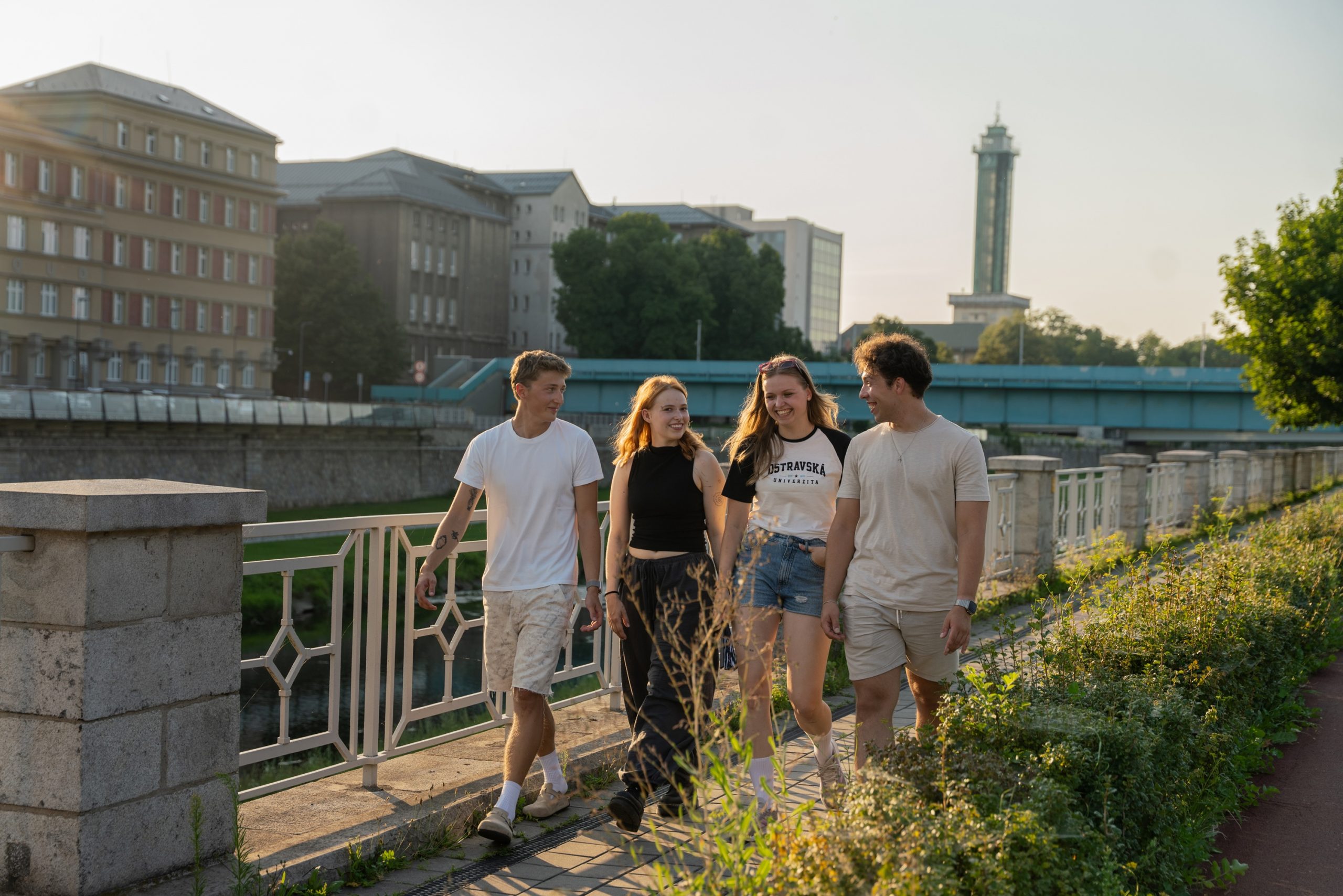
That includes new strategic partnerships with the city, the region and employers and setting up a Lab of Social Policies designed to translate research on socially relevant topics into clear and applicable materials, ready to be used in practice.
However, the third priority of the UO Strategic Plan does point not focus only on the third mission, it also highlights the importance of the collaborative environment within the University. The university wants to communicate better internally, starting with a new intraweb that brings a range of information and institutional documents into one place.
4. International Experience as a Natural Part of Work and Study
Openness to the world has long been part of UO’s identity. By 2030, internationalisation will be further integrated into everyday studies, teaching, research, and professional life.
UO encourages international mobility, internationalised curricula, and joint degree programmes with European as well as non-European partners and expand and deepen collaboration within the NEOLAiA alliance of European universities.
For teachers, researchers, and staff internationalisation means broader opportunities for professional growth, collaboration with colleagues abroad, and involvement in international projects. For students, it means more chances to learn through international experience.
5. A Better Place to Work and Study
The fifth priority is about the university’s day-to-day running: the working environment, support and professional growth for staff, the digitalisation of administrative processes, finishing major construction projects, and starting new renovations.
The strategy’s success depends primarily on people. That is why we will invest in staff, modern facilities, digitalisation, and a high-quality working and study environment.
Among other things, the strategy calls for smoother onboarding for new staff, more support for wellbeing, and continued expansion of digital tools, all aimed at helping the university run more efficiently.
As Rector Petr Kopecký emphasises: “The strategy’s success depends primarily on people. That is why we will invest in staff, modern facilities, digitalisation, and a high-quality working and study environment.”
The goal is to create a modern, functional environment that provides staff and students with quality conditions for work, teaching, research, and study.
Five Priorities, One Shared Direction
The strategic plan is not about a single change that happens overnight. Many of its themes build on what the university is already doing, marking out where it wants to focus and keep growing over the next five years.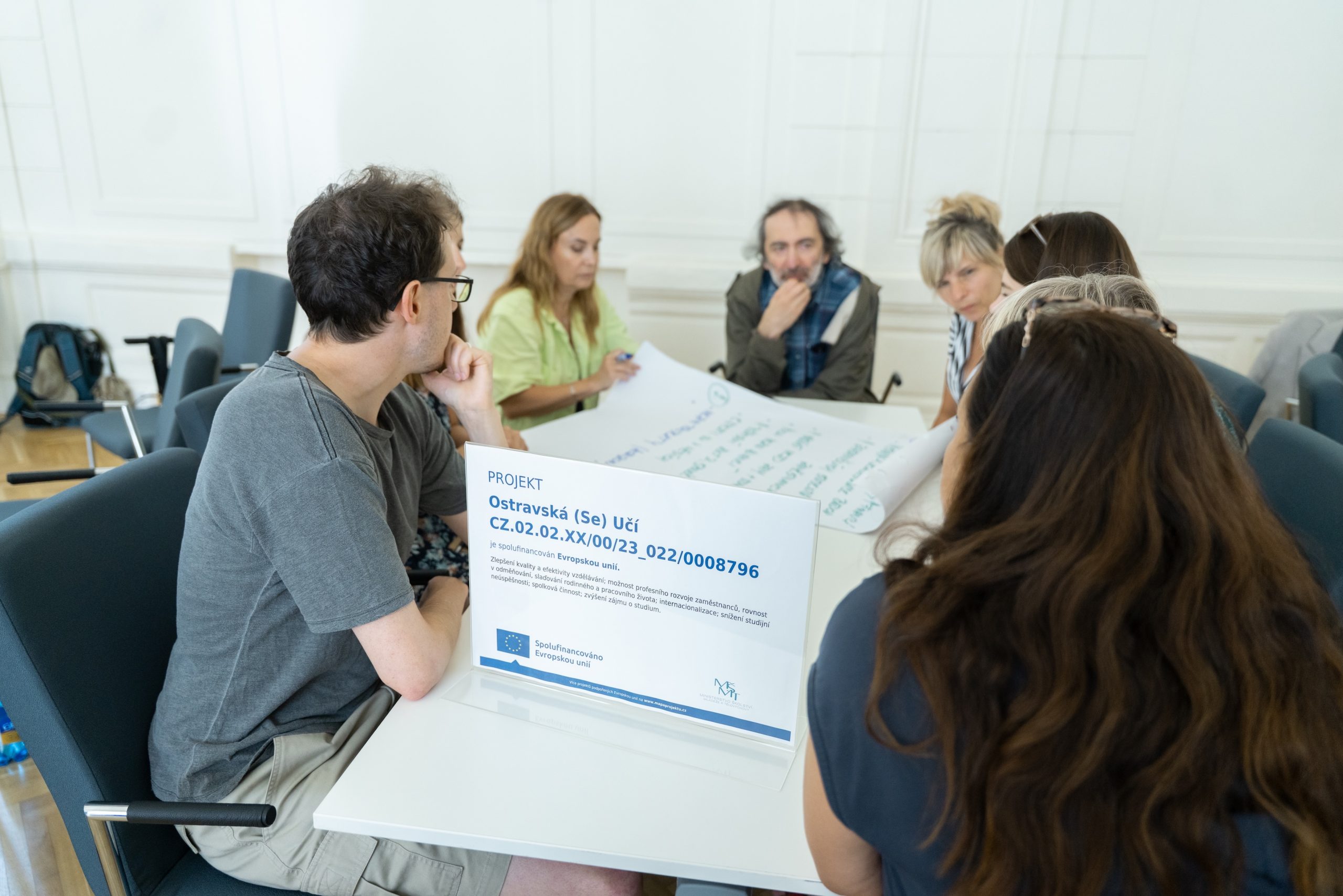
“UO Strategic Plan 2026+ is not just a document for university leadership. It is a shared framework for our decision-making and development. Fulfilling it will depend on the collaboration and efforts of us all,” says Rector Petr Kopecký.
Together, the five priorities point in the same direction: they represent an effort to create better conditions for people within the university, increase the quality of education, research, and arts, and at the same time use the knowledge and experience of the University of Ostrava for the benefit of the region and society.
Learn more about the UO Strategic Plan 2026+: