


The REFRESH project brings together technological innovation, social inclusion and regional development. A key long-term contributor has been Professor Brian Littlechild from the UK – Emeritus Professor at the University of Hertfordshire and a long-standing partner of the University of Ostrava.
 3 min.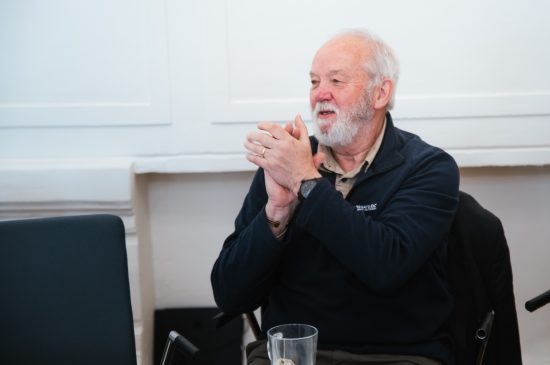
In February 2026, he will conclude his active involvement in the project, providing an opportunity to reflect on his contribution and on the broader importance of international collaboration.
Professor Littlechild’s cooperation with the University of Ostrava has its roots in international academic exchanges and long-term professional collaboration in the field of social work. This continuity and the sharing of experience across countries created a strong foundation for his involvement in the REFRESH project and in the activities of the Social Lab.
“When the opportunity arose to become part of the REFRESH project, I was very pleased to be able to contribute to developments in this field in the Czech Republic.”
One of the key strengths of the REFRESH project is its emphasis on practical engagement with communities and on supporting groups facing disadvantage – such as people with mental health challenges, disabilities or long-term social isolation. The Social Lab focuses on strengthening social capital, reducing exclusion and identifying realistic pathways for people to engage in community life and employment.
“Isolation, loneliness, low incomes and feelings of exclusion mean that we must look for ways in which disadvantaged groups can be meaningfully involved – including through employment opportunities.”
REFRESH is grounded in the idea that technological development must retain a human dimension. Professor Littlechild highlights that rapid structural changes can create new opportunities – such as online mental health support or technological assistance in care – but also risk leaving some people behind if access is unequal.
“These innovations need to be informed by our knowledge from social work and by the perspectives of people with lived experience – particularly where development takes place through co-production.”
The Social Lab is built on a co-production approach, involving people with lived experience in the planning, implementation and evaluation of activities. This approach strengthens the quality of services and trust, while also offering direct benefits to participants themselves – including skills development, a sense of recognition and real influence over decision-making.
“Nothing about us without us’ has become an important principle in recent decades. Co-production often works more effectively than ‘top-down’ planning, where institutions assume they know what is best for people.”
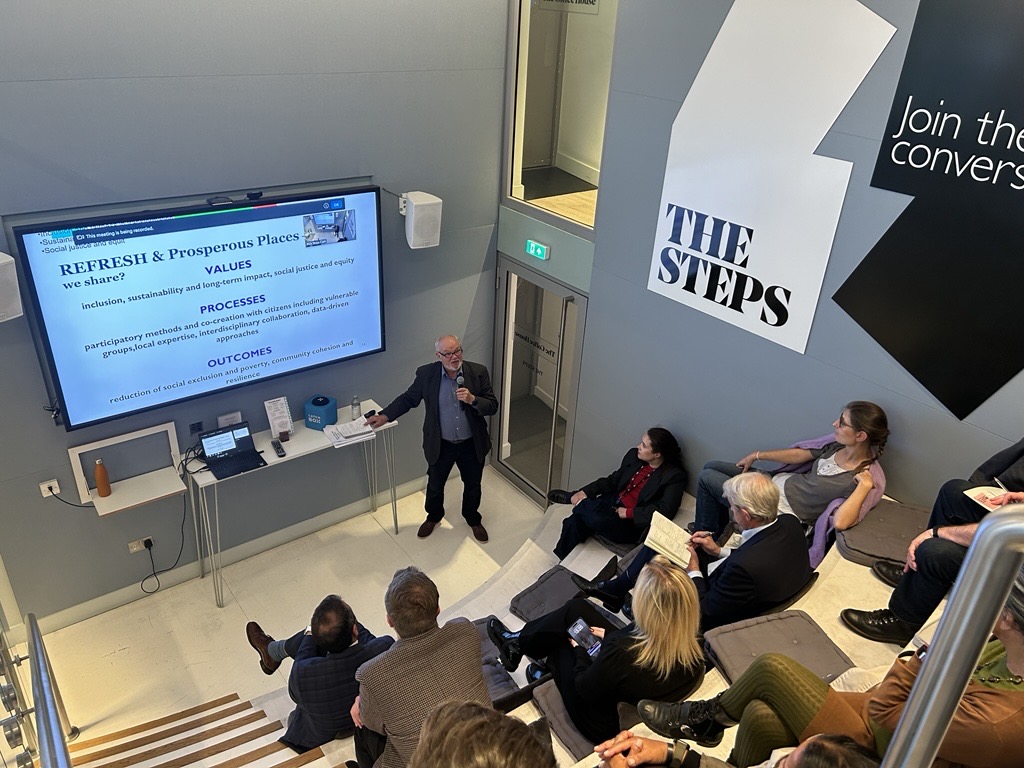
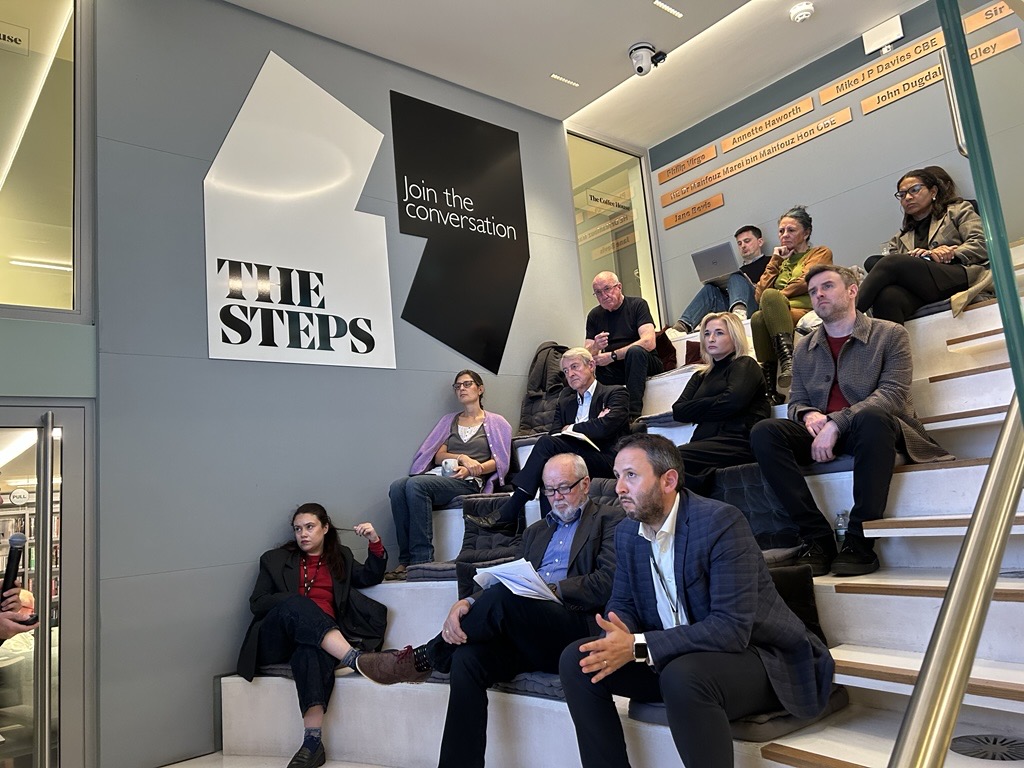
The project also included an international forum with the UK-based Royal Society for the Arts (RSA) and its Prosperous Places initiative. Discussions demonstrated that regional regeneration and community engagement are shared challenges across Europe – and that combining academic and practical perspectives can generate valuable inspiration for regional development.
“It enabled us to learn across borders and to develop understanding and knowledge for the benefit of both countries and organisations.”
Professor Littlechild’s experience confirms that sustainable regional development cannot be achieved without collaboration, knowledge-sharing and the active involvement of those affected by change. This is where the long-term value of the REFRESH project lies: it connects innovation with practice and supports regional development in a way that is both inclusive and sustainable.
“The ability to bring together expertise from different countries and apply it within our own context is essential if we are to move forward in the most positive and inclusive ways possible.”
Professor Brian Littlechild has been engaged in international cooperation in the field of social work for over thirty years. His connection with Czech partners begun with his collaboration with Professor Juha Hämäläinen from the University of Eastern Finland, who also had links to the University of Ostrava. Over the years, he has returned to Ostrava many times, contributing to the teaching of students and doctoral students as well as to research activities in social work. Thanks to this long-term cooperation, he has gained a strong understanding of the Czech social welfare system and regional social issues. International collaboration is central to his work: he believes that only through shared experience across countries can we find new and better ways to support people and develop regions. His involvement in the REFRESH project within the Social Lab is therefore a natural continuation of his long-standing work.

This is another outcome of the strategic project Life Environment Research Center Ostrava (LERCO), reg. no. CZ.10.03.01/00/22_003/0000003, which is one of the tools enabling the transformation of the Moravian-Silesian Region from a “coal-based” to a “healthier and smarter” region.