


The Faculty of Education is celebrating a significant scientific achievement. A team led by Prof. Daniel Jandačka has published the results of the world’s largest long-term biomechanical study focused on injury prevention in runners in the British Journal of Sports Medicine.
 3 min.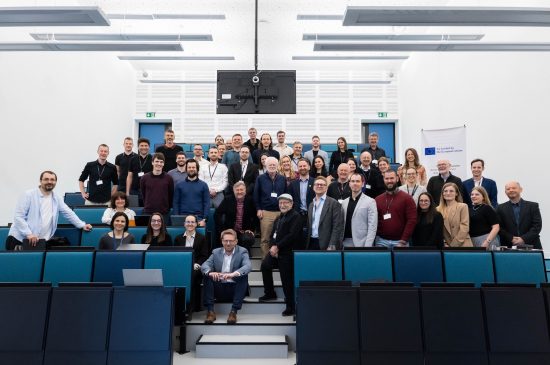

The new study examined more than 1,300 participants and identified key factors that may increase the risk of chronic Achilles tendon overload in runners. The research was conducted at the Department of Human Movement Studies at the Faculty of Education, University of Ostrava, in collaboration with the Institute for Research and Applications of Fuzzy Modeling and researchers from the USA and Canada. This work confirms that the University of Ostrava ranks among the global leaders in movement and health research.
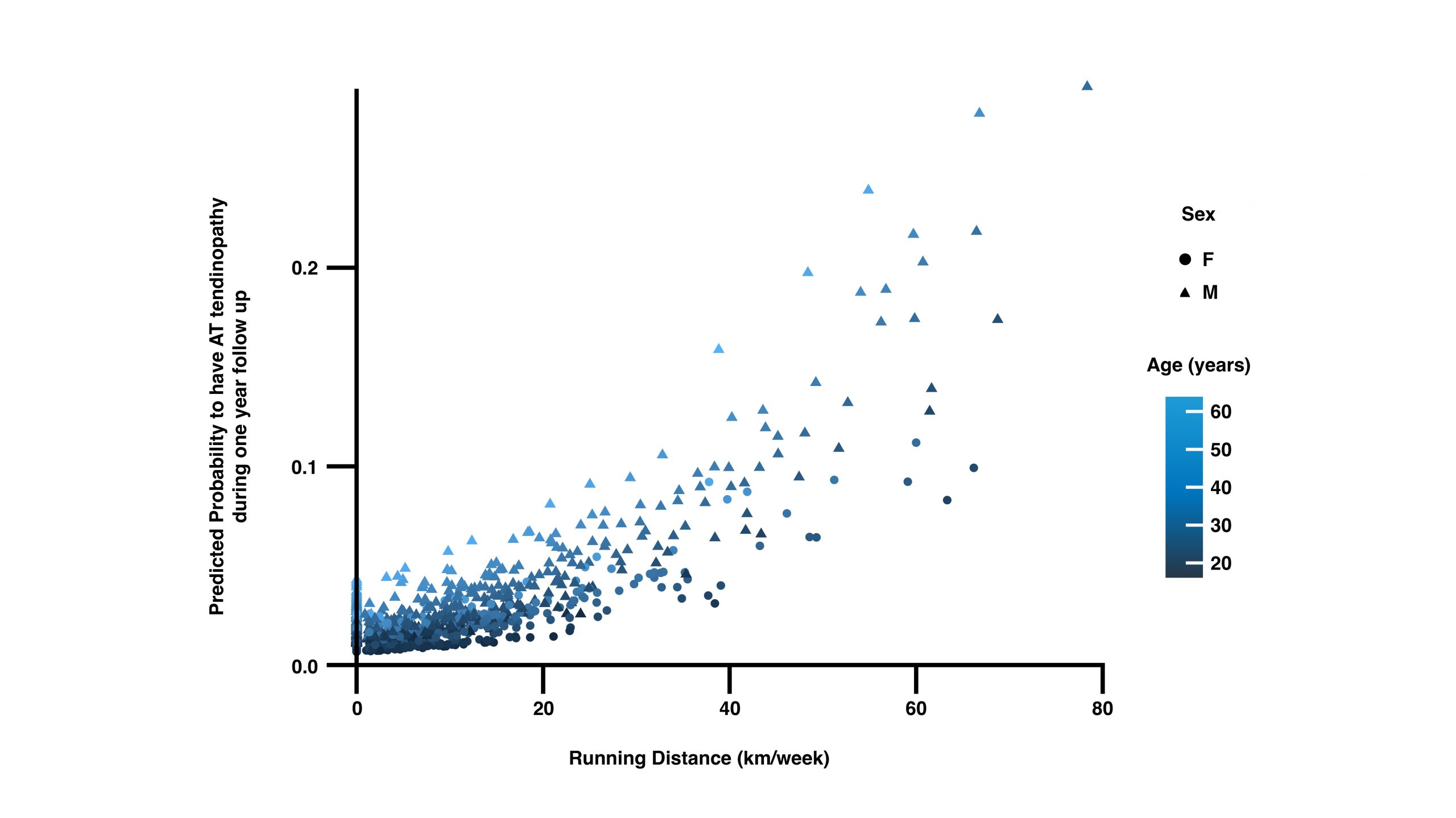
For many years, both runners and coaches believed that foot-strike pattern could be a major risk factor for this chronic condition. However, the new data show that its role is far smaller than previously assumed. “This is surprising even for part of the professional community,” says Prof. Jandačka. “But science exists to correct even long-held assumptions,” he adds.
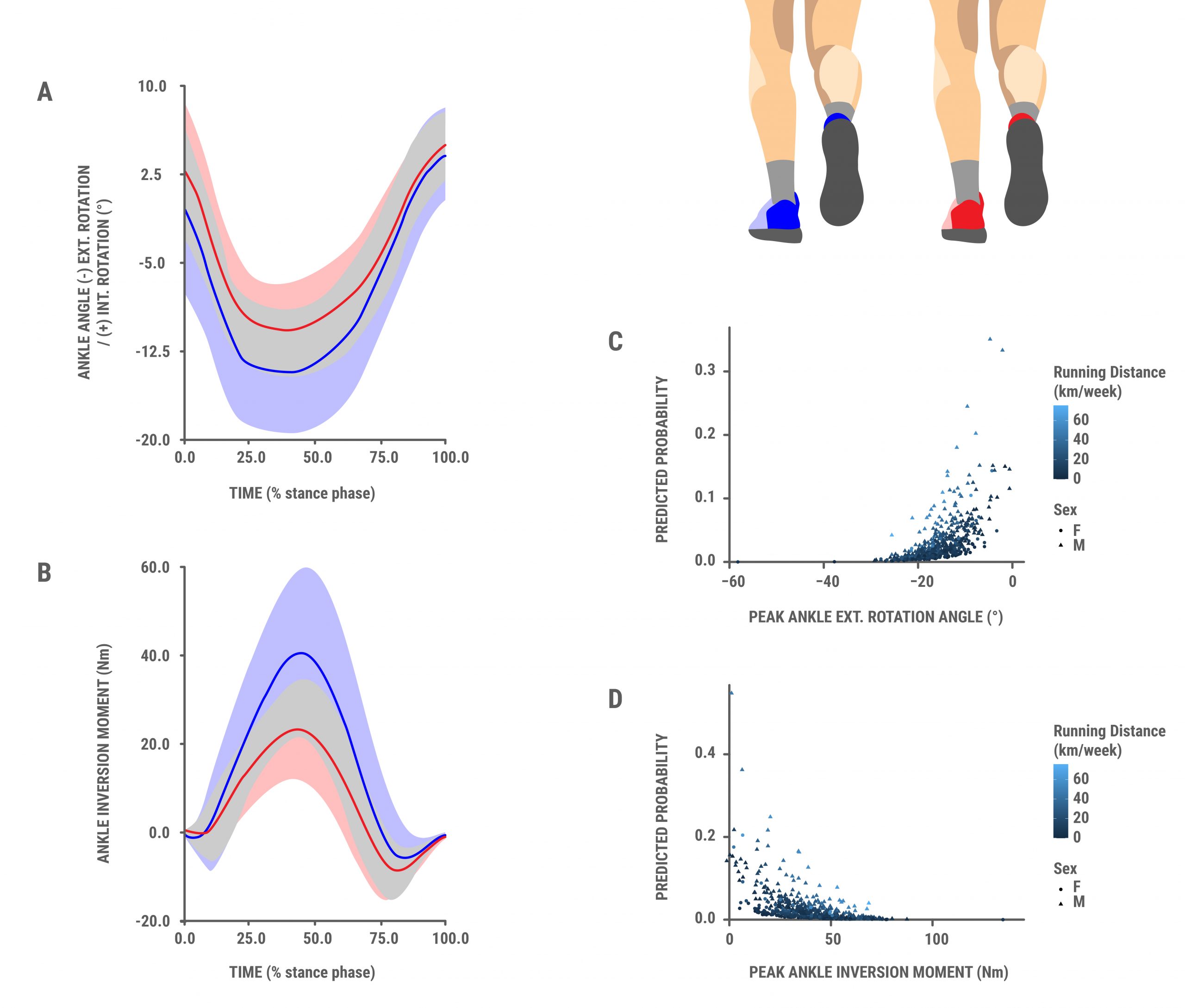
The study succeeded in identifying specific movement patterns that precede this most serious running-related injury. This opens the door to more effective preventive strategies. “Our next step is to translate these findings into practice—whether through prevention programs, recommendations for working with runners, or, for example, through mobile applications,” says Prof. Daniel Jandačka.
“Our results suggest that strengthening the ankle joint—such as through balance and stabilization exercises that target the biomechanical risk factors we identified — can play a significant role in prevention. Research on running-shoe design informed by our findings may also be important, as well as sensible planning of training volume. This can be supported, for instance, by modern technologies such as smart bands,” Prof. Jandačka explains.
Research on running-shoe design informed by our findings may also play an important role, as well as sensible planning of training volume.
Researchers in Ostrava have succeeded in creating the world’s largest prospective biomechanical cohort study of running-related injuries to date. Unlike most previous research, which relied on small samples or retrospective data, this study’s long-term monitoring and objective measurements made it possible to control for the effects of age, sex, training volume, and previous injuries.
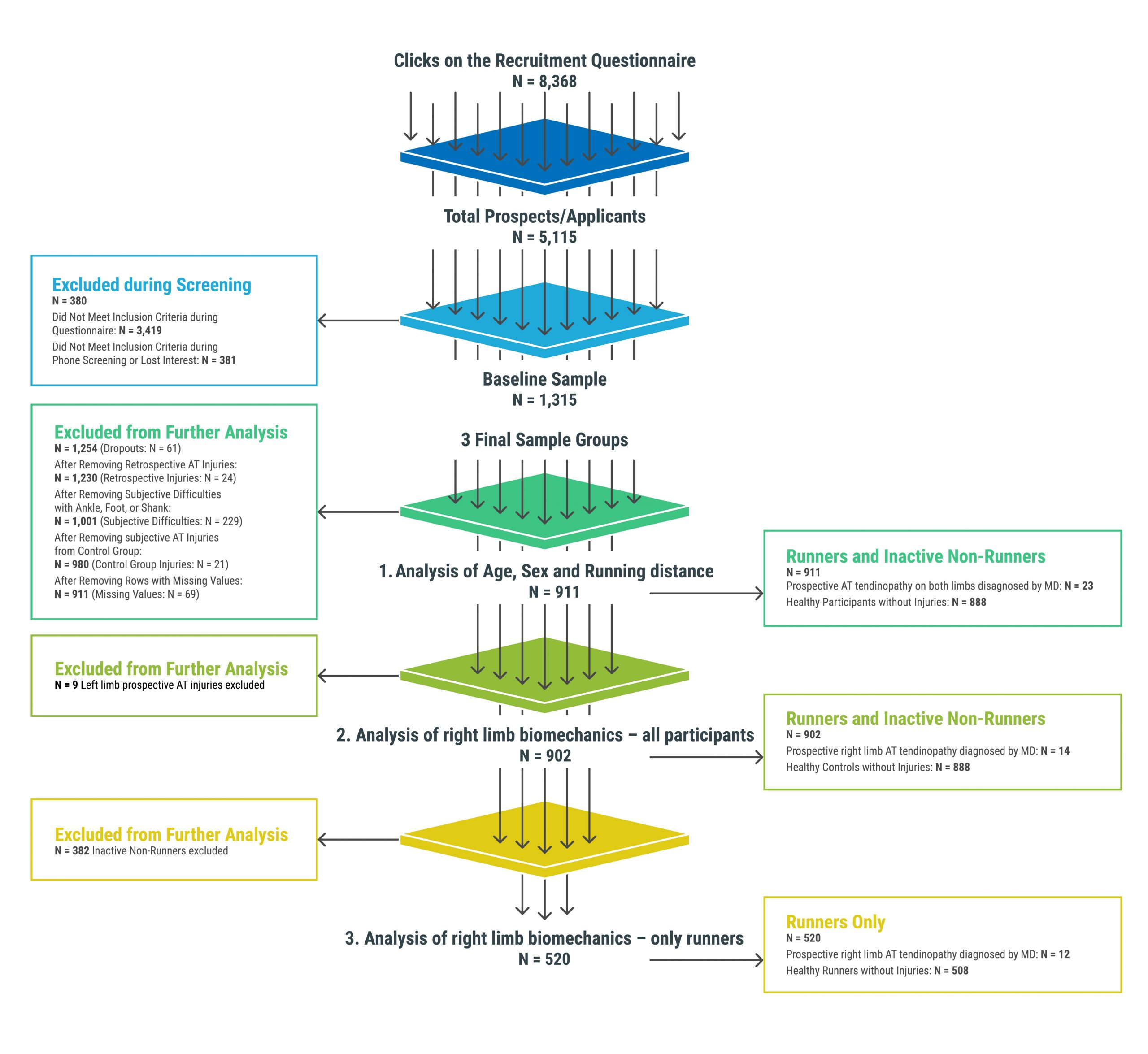
More than 1,300 people participated in the project. Over 900 of them had no Achilles tendon issues at the start — a fact confirmed by a physician using magnetic resonance imaging. Each participant underwent detailed biomechanical analysis in the laboratory, completed baseline radiological examinations, and was monitored for an entire year using a smart wristband that objectively measured their physical activity.

This type of complex, multi-disciplinary dataset is globally unique, as evidenced by the publication of the article in the world’s most prestigious journal in the field of sports science. “It was exceptionally demanding work for the entire LERCO 4HAIE team. However, I believe that not only this, but also our future results will help reduce the incidence of overuse musculoskeletal disorders. The goal of our research is to enable people to engage in regular physical activity sustainably and over the long term, even at an older age, because we know how crucial regular movement is for quality of life,” says Prof. Jandačka.
The study was made possible through close collaboration between biomechanists, physicians, physiotherapists, data analysts, and international expert partners. The findings further strengthen the scientific reputation of the research center, increase the likelihood of securing additional international grants, and create valuable opportunities for students to participate in top-tier research.
The study was published in the prestigious British Journal of Sports Medicine (IF 16.3), currently the highest-ranked journal in the field of sports science. This represents not only a success for the research team but also a major milestone for the Faculty of Education at the University of Ostrava — and clear evidence that the science emerging in Ostrava meets global standards and has significant international impact.
Publication in the top-cited journal in the field further strengthens the perception of the University of Ostrava as a center of excellence in sports science and medicine. The study also demonstrates that internationally relevant research projects are being produced even within the Moravian-Silesian Region.
This work has been produced with the financial support of the European Union under the LERCO project (CZ.10.03.01/00/22_003/0000003) via the Operational Programme Just Transition and research related to wellbeing from the project Research of Excellence on Digital Technologies and Wellbeing CZ.02.01.01/00/22_008/0004583 which is co-financed by the European Union. The baseline data refers to the project funded by the Czech Ministry of Education, Youth and Sports, the project 4HAIE “Healthy Aging in the Industrial Environment – Program 4” (CZ.02.1.01/0.0/0.0/16_019/0000798) within its sustainability period.