


Representatives of the University of Ostrava, Bielefeld University, and Ștefan cel Mare University of Suceava met in Bielefeld for a meeting focused on the master’s degree programme Inclusion Studies. Applications for the programme are expected to open as early as November.
 3 min.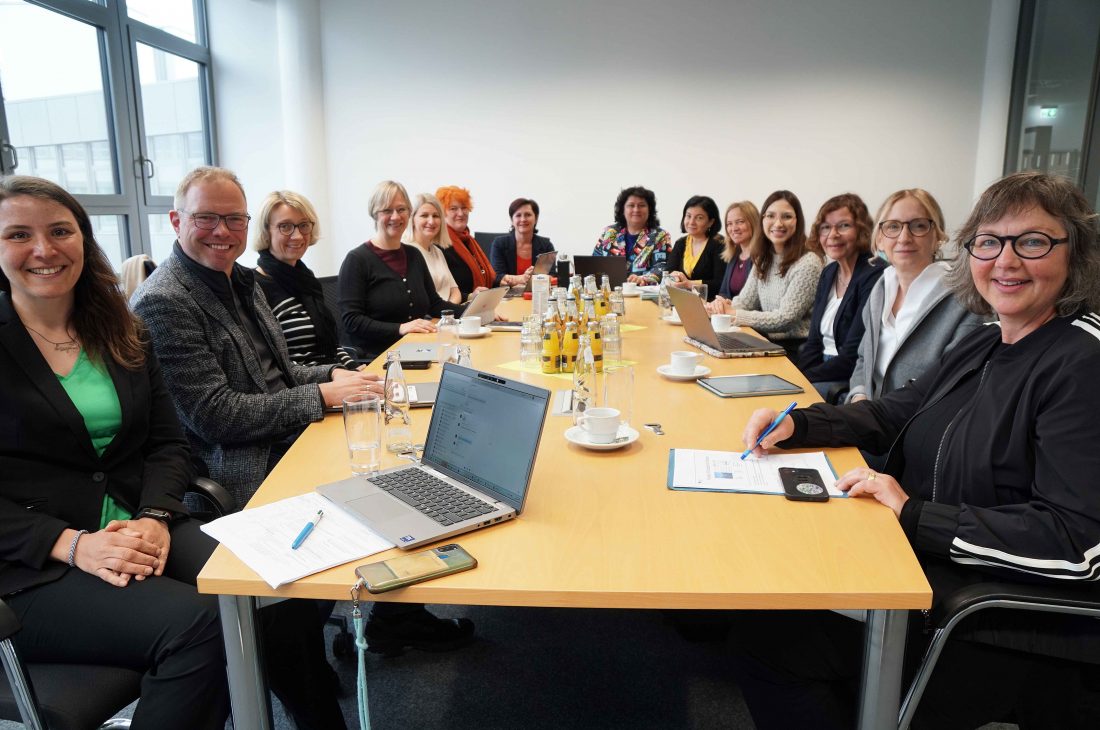
During the international meeting, representatives of the universities exchanged their perspectives on academic and organisational matters and continued developing the joint study programme. An important part of the meeting was gathering feedback from students regarding the current stage of the programme’s preparation.
The main goal of the meeting was to evaluate the progress of accreditation procedures in the participating countries, discuss remaining issues related to the implementation of the programme, and become personally acquainted with the university environment.
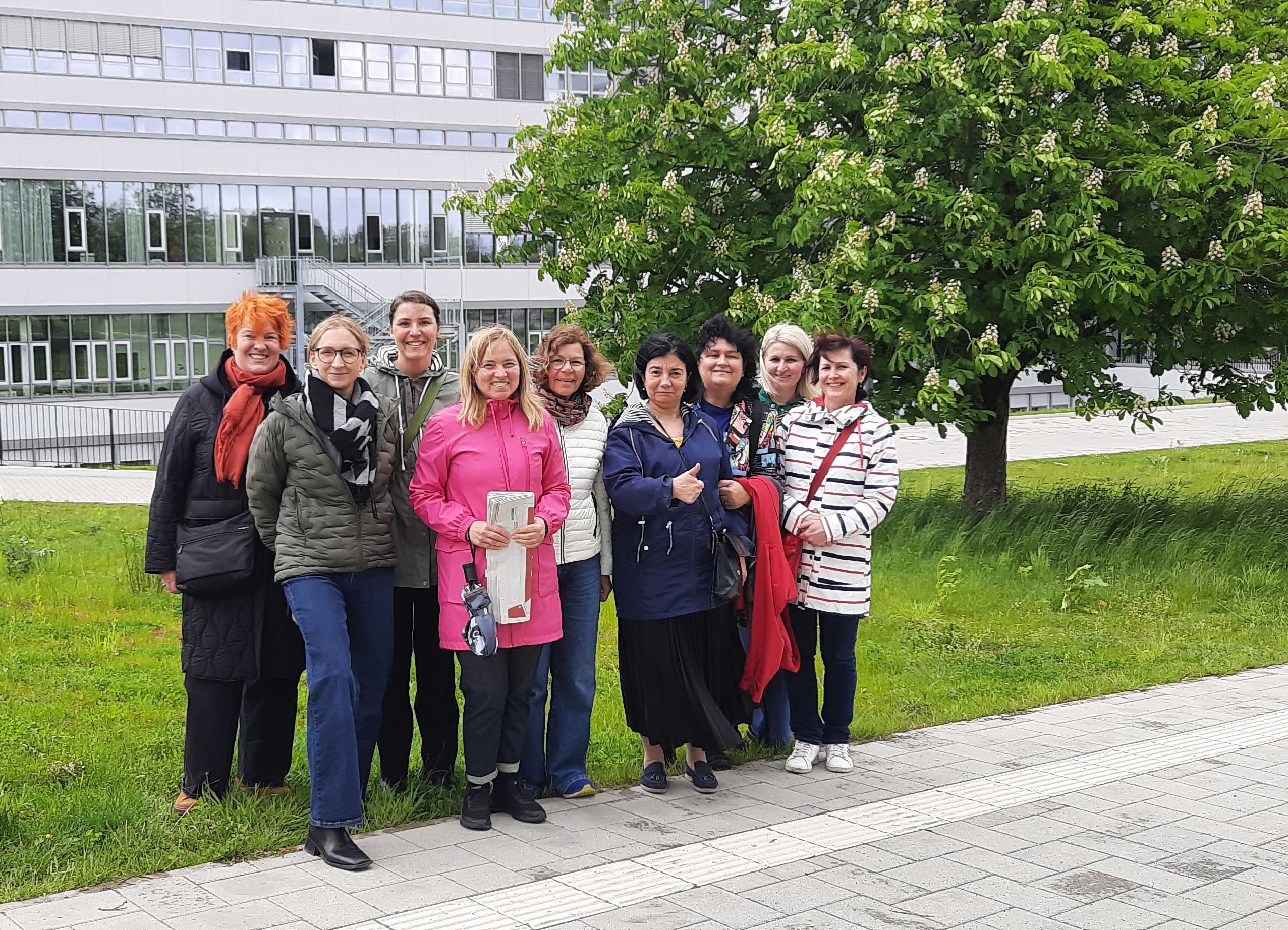
“Personal experience enables us to inform and motivate prospective students more effectively. In Bielefeld, we were pleased to announce that the Ostrava part of the accreditation process has already been successfully completed. We are now awaiting approval in Germany and Romania, while the admission process is expected to be announced in November 2026,” commented Associate Professor Marie Špiláčková from the Faculty of Social Studies at the University of Ostrava.
At the beginning of the meeting, Bielefeld University Rector Angelika Epple and Vice-Rector Michaela Vogt welcomed the international working group and introduced the university to the European guests.
“International visits reveal how unique each participating university is. Compared to the University of Ostrava, Bielefeld University is very large and brings all faculties together within one extensive campus offering a wide range of services for students and staff. The campus includes numerous dining facilities, from cafeterias to shops. Two interesting features are a swimming pool and sports facilities located directly within the campus. Another major benefit is the library’s extended opening hours (until 1:00 a.m. on weekdays and open during weekdays and holidays), as well as a practical IT accessories lending service offering items such as chargers and flash drives. The city of Bielefeld itself is an attractive destination in North Rhine-Westphalia, and studying at Bielefeld University will undoubtedly be both a valuable and memorable experience for students. Of that I am convinced,” continued Associate Professor Špiláčková.
Master’s Programme Inclusion Studies
The Inclusion Studies master’s programme is primarily intended for graduates of bachelor’s programmes from NEOLAiA partner universities, although it is also open to other applicants.
The programme is organized over four semesters. Students complete the first semester in Ostrava, the second in Bielefeld, and the third in Suceava. During the fourth semester, they will write their master’s thesis at one of the three partner universities.
Student mobility may be funded through the Erasmus+ programme. Graduates of this multiple degree programme will receive master’s degrees from all three universities.
Applications for the Inclusion Studies master’s programme are planned to open from mid-November 2026 until mid-March 2027.
The Ostrava team was represented on site by members of the Faculty of Social Studies, including doc. Marie Špiláčková, guarantor of the programme; Mgr. Michaela Vontorová, faculty mobility coordinator and administrative co-author of the accreditation documentation; dr. Nicole Horáková Hirschlerová from the Faculty of Arts, and dr. Edita Satinská from the Faculty of Education, who joined online.
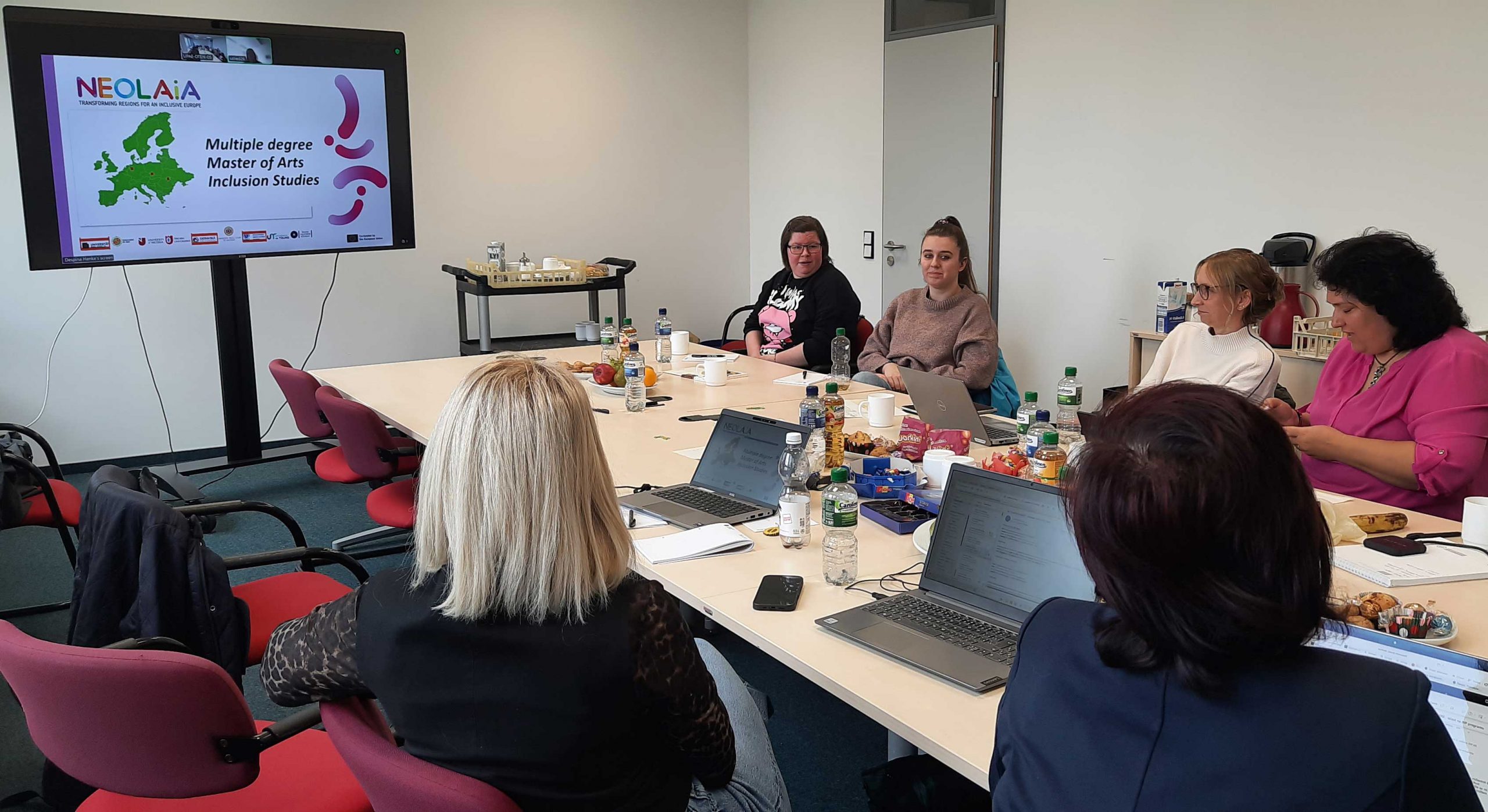
As part of a focus group session, the organisers introduced the programme to students at Bielefeld University and collected their feedback. The questions focused on the organisation of studies and mobility, financial and social conditions, as well as curriculum topics related to inclusive education. The feedback will be incorporated into the further development of the study programme.
“The added value of the upcoming study programme lies in the team involved in both its preparation and future implementation. Openness and the ability to cooperate are crucial and valuable assets when developing such a demanding, yet unique international and interfaculty study programme,” concluded Marie Špiláčková.

Aktivita byla realizována s finanční podporou Evropské unie v rámci programu Erasmus+